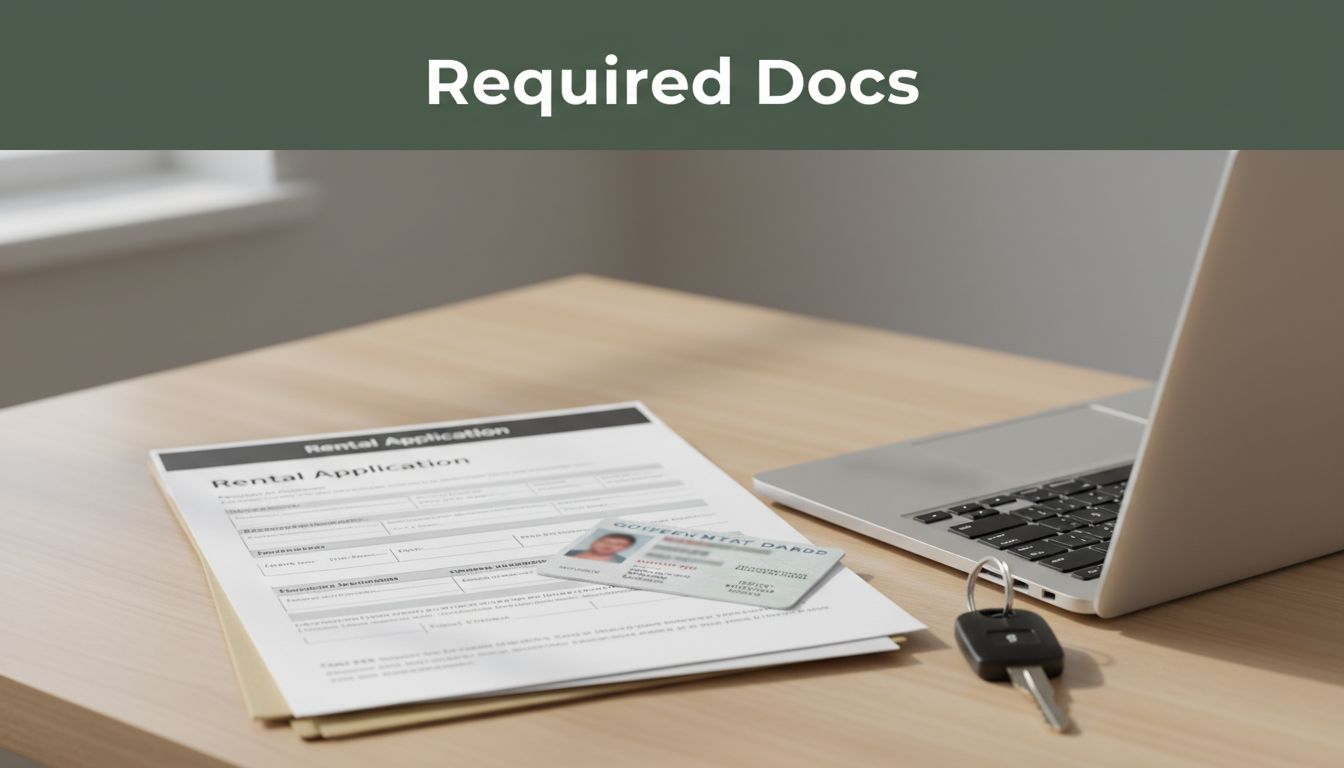
Picture this. You spot the perfect rental home online. The location fits your job. The space matches your style. Excitement builds fast. But then reality hits. The application asks for a stack of documents. Miss one, and someone else grabs the keys.
In March 2026, the US rental market stays tough. High demand in cities like Austin and Denver means landlords pick quickly. They want proof you are who you say, can pay rent, and won’t cause trouble. Common categories include ID verification, income proof, and rental history. Requirements shift by state or owner. California limits application fees. Texas landlords often check evictions harder.
Don’t worry. This guide lists essentials based on current trends. You’ll learn exactly what to prepare. Plus tips for special cases like pets or first-timers. Get these ready now. Speed up approval and land your spot.
Start with Solid Proof of Who You Are
Landlords check identity first. They need to know you match your application. This stops fraud and confirms you meet age rules, usually 18 or older. Without solid ID, your app goes nowhere.
Bring originals and clear copies. Digital scans work in many apps now. Always ask the landlord upfront.
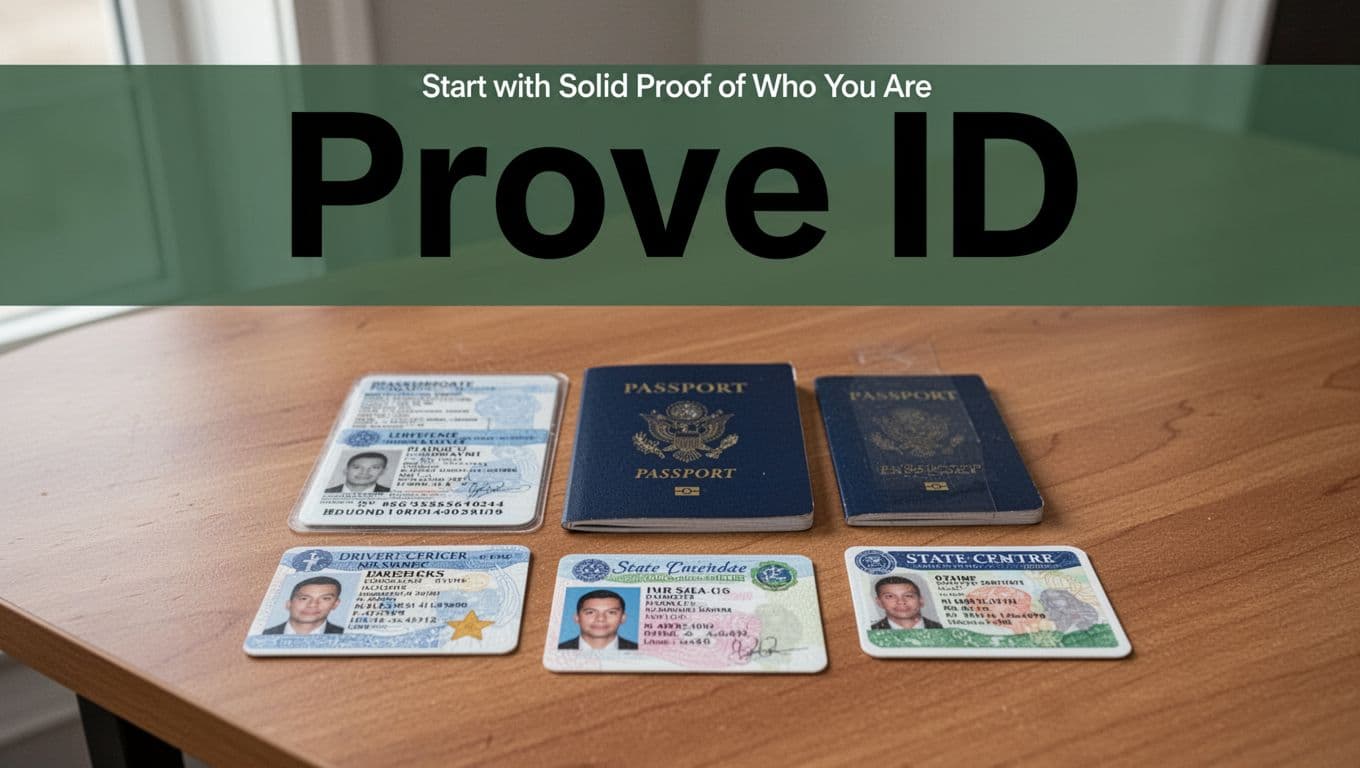
Government-Issued Photo ID Basics
Start here. A driver’s license tops the list. Most states issue them. Passports work great too, especially for travelers. State IDs suit non-drivers.
Bring the original. Add photocopies front and back. Some spots accept mobile driver’s licenses from states like Arizona or Iowa. Check local rules first. These verify your name, photo, and address.
Landlords use them for quick visual checks. They match it to your app details. No photo ID? A passport alone often fills the gap.
For details on standard IDs, see this 2026 rental application guide.
Social Security Number or ITIN for Checks
Next, provide your SSN or ITIN. Landlords run credit and background reports with it. This pulls eviction records and debt info.
Sign an authorization form. Know your credit score ahead from sites like AnnualCreditReport.com. Scores under 600 may need extra steps.
Non-citizens use ITINs. They work the same for checks. Keep it private. Share only when required.
Prep this early. It speeds the process because reports take 24-48 hours.
Prove You Can Comfortably Afford the Rent
Income proof ranks high. Landlords want your earnings at 2.5 to 3 times monthly rent. A $2,000 home needs $5,000 gross income.
Gig economy growth means more options now. Hot markets like Florida ask for extra bank statements. Organize papers neatly. Use a folder or app upload.
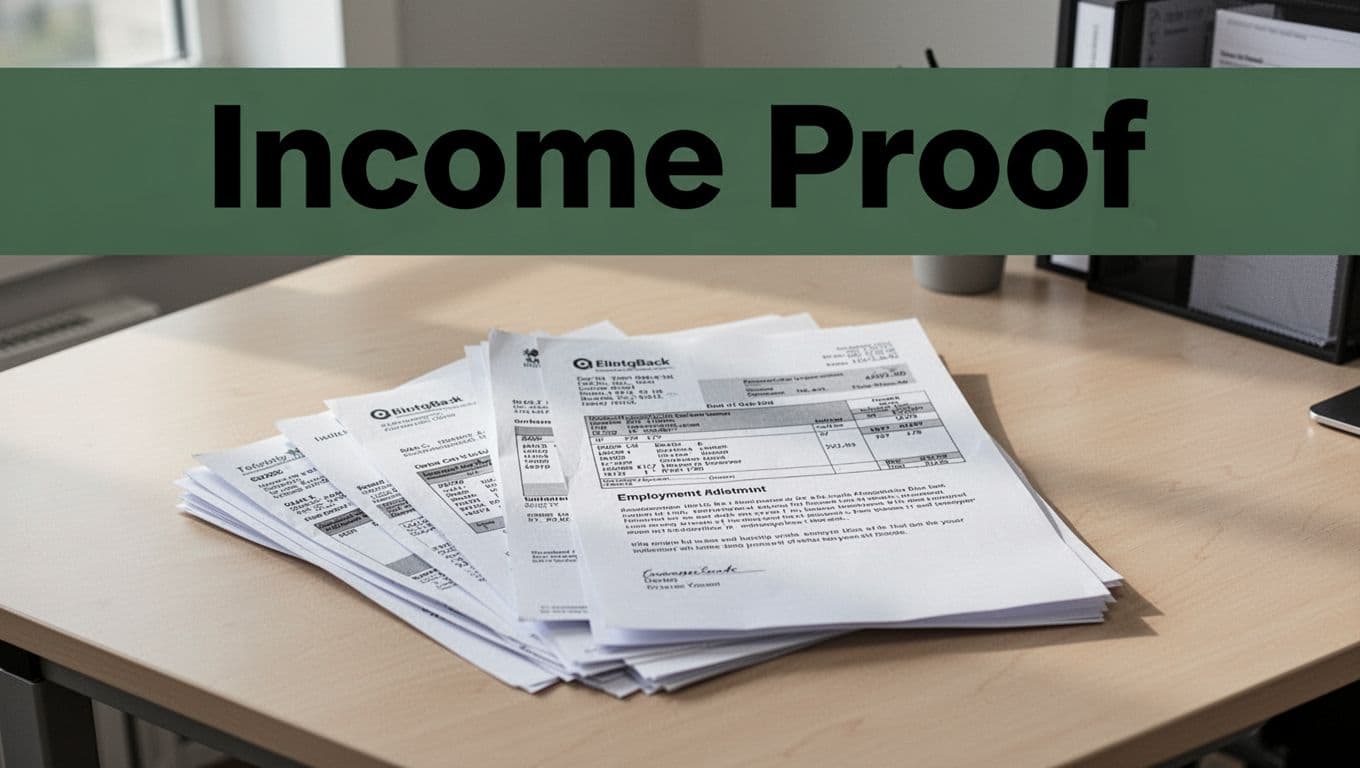
Pay Stubs and Employment Verification
Grab 2 to 6 recent pay stubs. They show year-to-date earnings. Landlords love them for salaried folks.
New job? Use your offer letter. It states salary and start date. Employers can write verification letters too. Include job title and length.
Self-employed skip stubs. They turn to tax returns instead. Present them clean. Highlight totals.
Bank Statements and Other Income Proofs
Bank statements back up stubs. Show 2 months of deposits. Circle paychecks. Redact account numbers for safety.
Freelancers add 1099s. Investors use statements from brokerage accounts. All prove steady cash flow.
Trends show landlords verify deposits digitally now. For more on 2026 income checks, check this proof of income overview.
Share Your Rental Past to Build Trust
Past behavior predicts future rent payments. Landlords contact old owners. They ask about on-time pays and property care.
No history? Explain honestly. Strong income helps here. Credit reports fill some gaps. They show overall responsibility.
Address issues upfront. A one-time late pay with a note works better than silence.
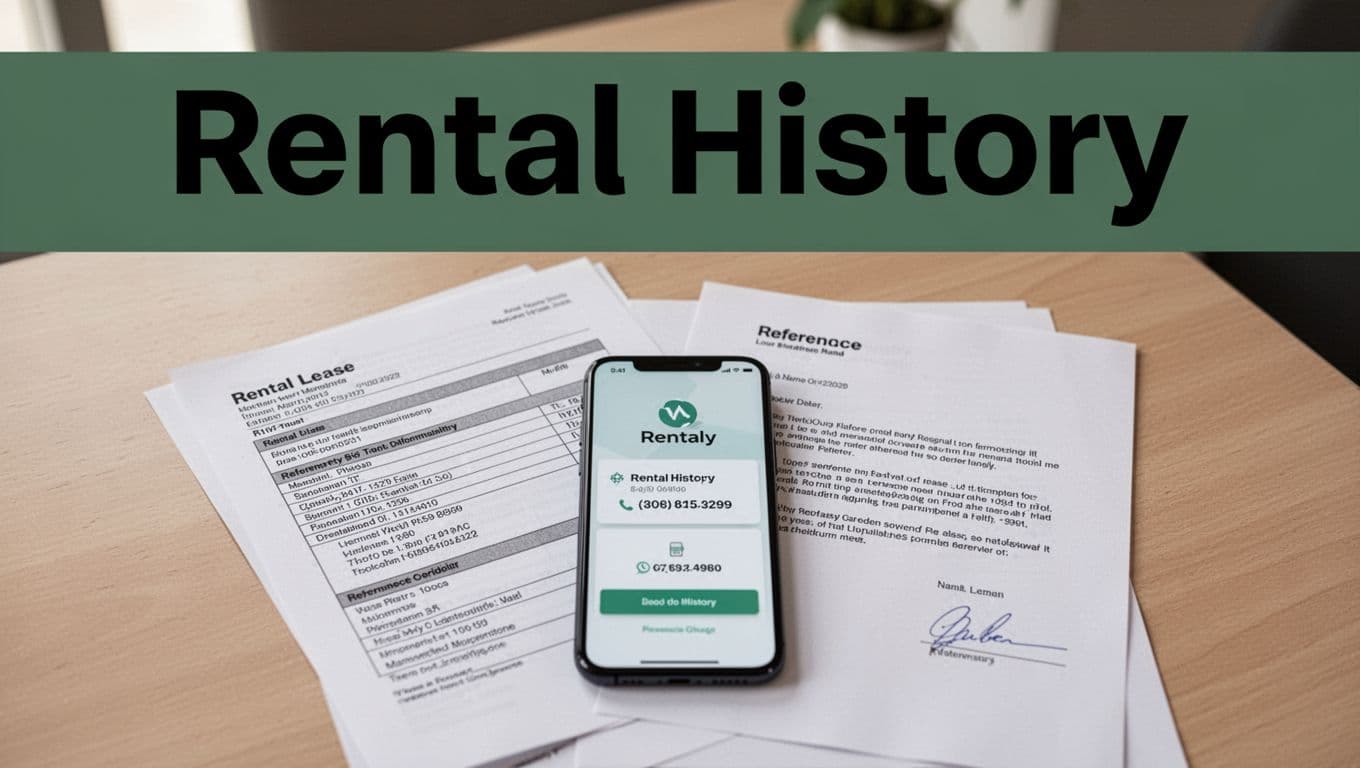
Contact Info for Previous Landlords
List your last 1 or 2 landlords. Include names, phones, and emails. They confirm rent history.
Can’t reach them? Get a reference letter. It states dates, payments, and condition left. Old leases add proof too.
Choose positive contacts. They boost your case fast.
Personal and Professional References
Bosses vouch for reliability. Pick 2 or 3. They note steady work and character.
Friends work less often. Stick to pros. Keep contacts current.
This builds trust quick. Landlords call during screening.
Handle Special Cases and Extras Like a Pro
Everyone faces unique hurdles. First-timers need cosigners. Pet owners add records. Know these early.
Move-in needs insurance proof. Fees run $25 to $100. Deposits match one month’s rent.
Local laws matter. New York bans source-of-income bias. Check city rules.
First-Time Renters and Cosigners
No rental past? Gather extra income docs. A cosigner helps most. They need ID, income 3-4 times rent, and credit okay. US-based only.
Students add school enrollment. This first-time renter checklist covers basics.
Pets, Students, and Government Programs
Pets require vaccine records. Add photos or breed info. Deposits cover damage.
Students show class schedules or scholarships. Section 8 needs voucher approval. It proves rent fits limits.
Immigrants bring visas. All cases benefit from organization.
Smart Tips to Nail Your Application in 2026
Prep wins races. Ask for the exact list first. Organize in a folder or digital folder.
Check credit yearly for free. Get renters insurance now. It costs $10-20 monthly.
Honesty pays. Explain gaps politely. Follow up in 48 hours.
Hot markets want more proofs. Fees non-refundable. Stay patient.
Digital apps speed things. Upload scans clearly. Track progress.
You’ll stand out. Prep leads to yes.
Gather ID, income proof, history, and extras today. Renting gets straightforward with them ready. Contact landlords confidently. Share this if it helps a friend.
What if bad credit holds you back? Common fixes exist. Drop a comment below.