Picture this. You sign a rental contract in a rush. Excitement over your new apartment blinds you. Months later, surprise fees hit for a “cleaning charge” you never saw coming. Or the landlord enters without notice. These stories happen every day. Rental contracts look straightforward. Yet they pack hidden rules that lead to stress and lost money.
You can avoid that trap. A careful read takes under an hour. It saves thousands down the road. This post covers prep steps, key sections to scan, common pitfalls, and 2026 law updates that override leases. By the end, you’ll spot issues fast and sign with confidence.
Set Yourself Up for a Smart Read Before Signing
Rushing through a rental contract spells trouble. You miss details that bite later. Start smart instead. Print two copies right away. One for you, one for notes. Highlight questions as you go. Read it aloud. That catches awkward phrasing. Or set it aside for a day. Fresh eyes spot more.
What if one word changes everything? Use simple tools to hunt it down. Free apps scan leases too. They flag risks like high fees. These steps build confidence. You catch errors early. No regrets after move-in.
Hunt for Key Terms with Simple Search Tricks
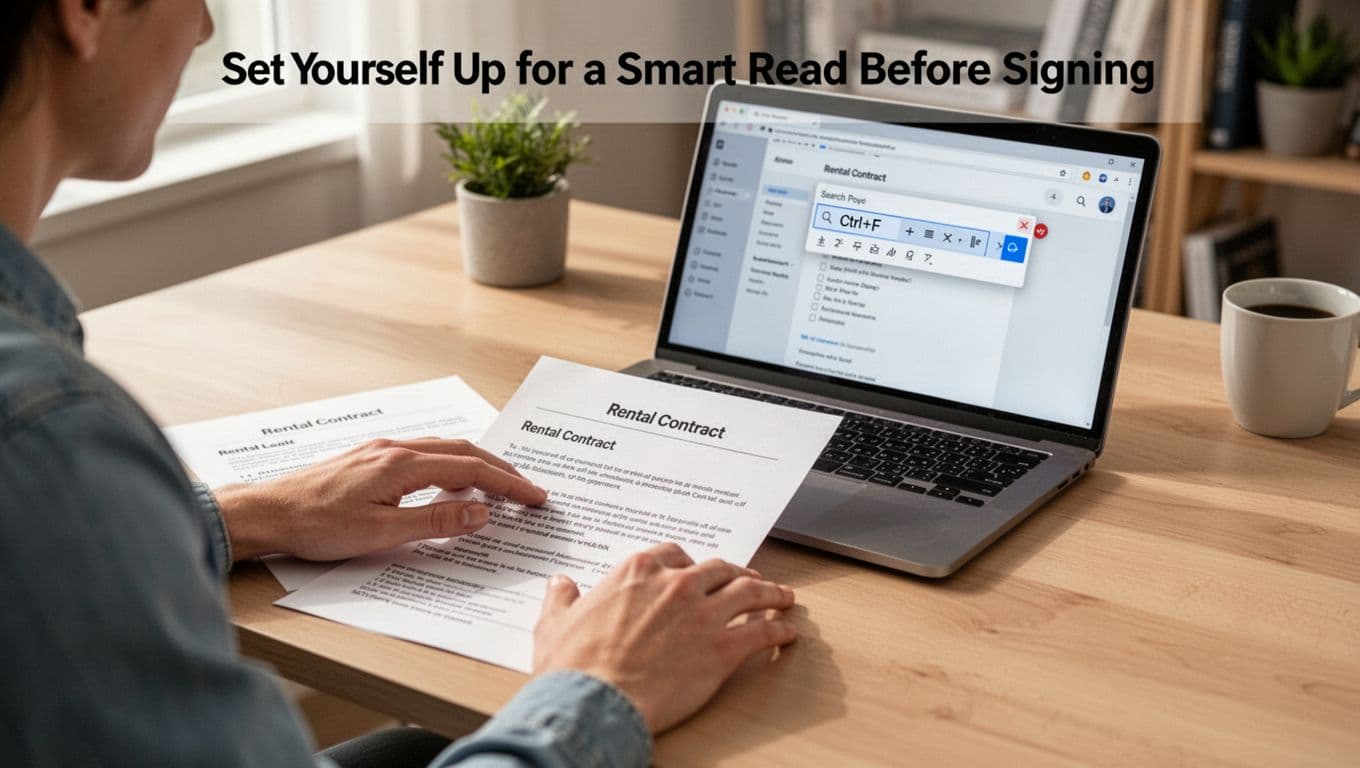
Open the PDF on your laptop. Hit Ctrl+F. Type “fee.” Watch late payment charges pop up. Or “enter.” That shows landlord visit rules. Search “sublet” next. It reveals if you can rent a room out. “Renew” uncovers auto-extensions with rent jumps.
For example, many leases bury a $50 late fee after day five. “Pet” flags deposits or bans. “Guest” limits stays over 14 days. These searches take seconds. They uncover rules fast. No skimming needed.
Besides that, check “utilities.” Shared meters mean split bills. This trick works on any device. It beats reading every line blind.
Double-Check Dates and Get Everything in Writing
Dates cause fights. Verify start and end dates twice. Rent due day matters too. Grace periods? Note them. A wrong date leads to “late” labels and fees.
Ask for changes in writing. Want a pet? Get an addendum signed. Same for guests or repairs. Negotiate fees politely. Say, “Can we drop the $25 bounced check fee?” Landlords often agree.
In short, paper trails protect you. Verbal promises vanish in disputes.
Master the Core Sections That Define Your Rights and Costs
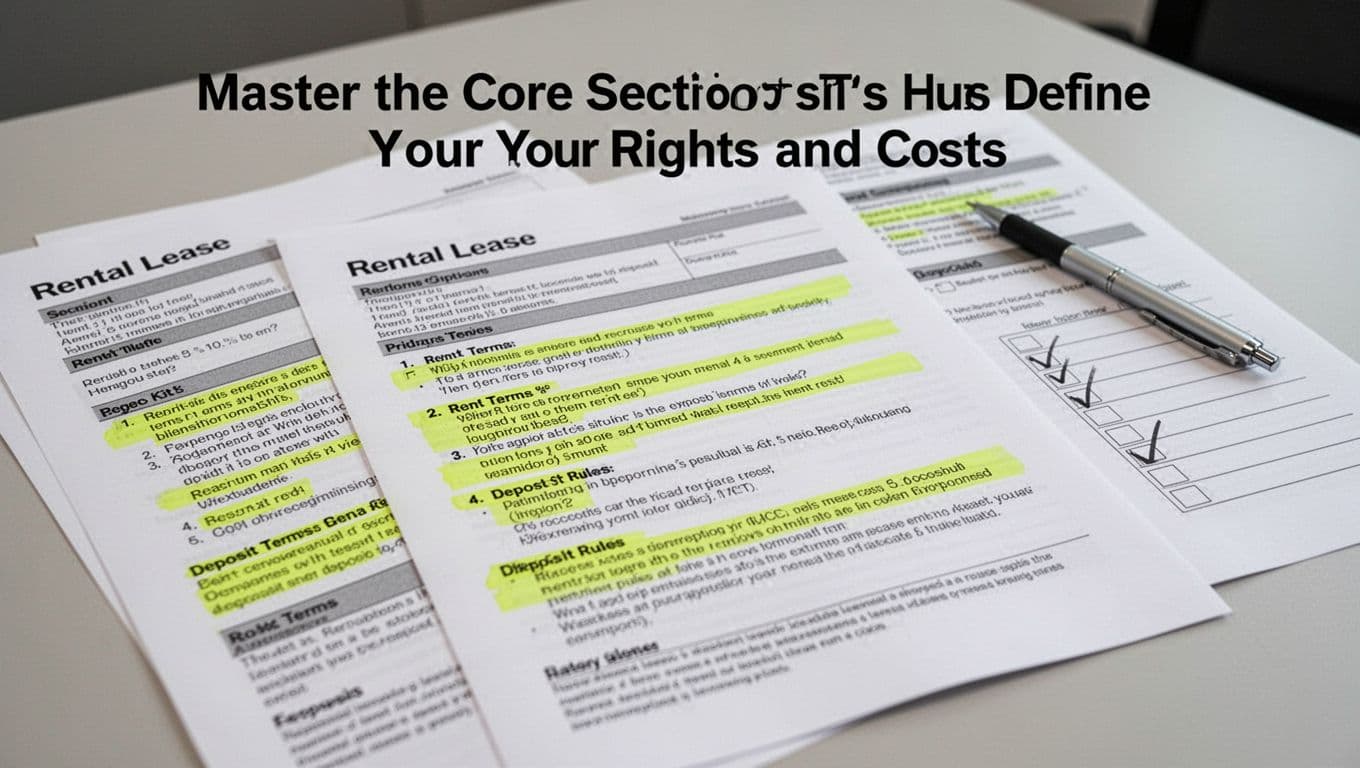
Every rental contract has standard parts. They set your costs and rules. Skip them, and surprises await. Focus here first. Use a checklist. Take photos at move-in. Sign an inventory list. These prove the place’s condition.
Real US leases follow patterns. Names and property details come early. Rent and deposits follow. Then term length and rules. Break it down step by step.
Names, Property Details, and Who Can Stay
List all adults who live there. Include kids too. Miss one, and they lack rights. Check the full address. Does it cover parking or storage? Occupancy limits? Most allow two per bedroom plus one.
Guest rules cap stays at 14 days max. Joint liability means everyone owes full rent. If a roommate skips, you pay all. Unlisted guests risk your deposit at move-out.
For clarity, confirm in writing. This avoids “forever guest” claims.
Rent Amount, Payments, and Penalty Surprises
Rent must state the exact amount. Due date and method follow. Online portal? Check or money order? Grace period gives wiggle room, often five days.
Late fees cap by state. Bounced checks add more. Utilities? Note splits on shared meters. For instance, a $75 late fee after day three feels steep. Negotiate it down.
Always verify payment proof. Receipts prevent “never paid” arguments.
Security Deposit and Refund Rules
Deposits cover damages, not wear. Normal scuffs stay fine. Amount? Check state caps. California limits to one month’s rent in 2026. Others allow two months.
Refund comes in 14 to 60 days, depending on state. Get an itemized list. Photos from move-in fight bogus claims. See 2026 security deposit laws by state for details.
Demand receipts for fixes. No proof, no deduction.
Lease Length, Renewal, and Rent Hikes
Fixed term? One year typical. Month-to-month offers flexibility. End date clear? Auto-renewal? Give notice early.
Hikes hit at renewal. Some states cap them. Silent renewals jack rent fast. Read essential lease clauses for 2026 to compare.
Plan your exit. Notice periods run 30 to 60 days.
Dodge the Traps That Catch Most New Renters
New renters fall for the same tricks. Stories flood tenant forums. One overlooked line costs hundreds. Spot them now. Photos and lists save you. Your right to quiet enjoyment blocks harassment.
Landlords push vague terms. Clarify before signing. Push back on unfair rules.
Hidden Fees and Unauthorized Charges
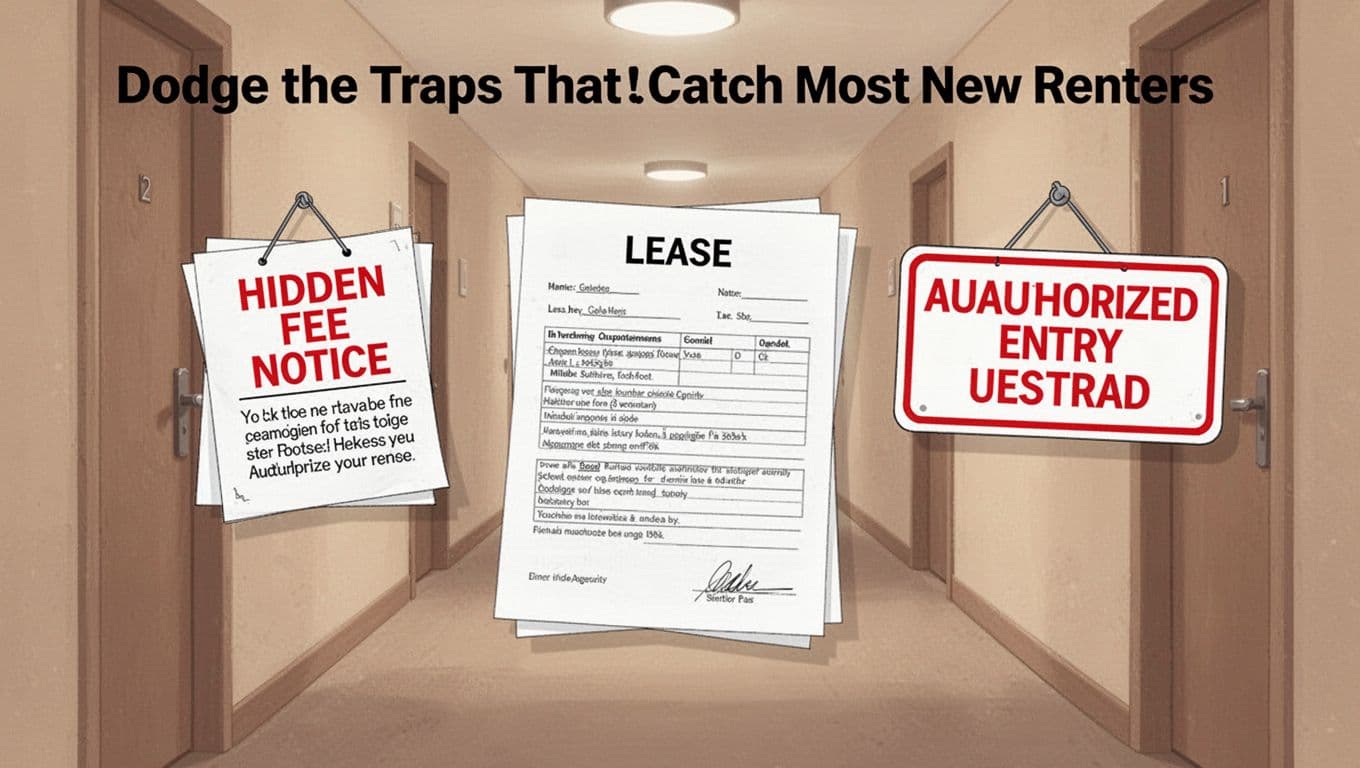
Leases list late or pet fees. But “all other fees” clauses sneak in. State caps don’t cover everything. Demand a full list upfront.
Utilities add up. Vague “tenant pays all” ignores disclosures. Check common tenant disputes. Negotiate caps.
No vague terms. Get specifics in addendums.
Landlord Entry and Privacy Risks
Most states require 24-48 hours notice for non-emergencies. “Anytime” clauses violate that. Emergencies like floods excepted.
Flag short notice rules. Your privacy matters. Document entries with dates.
Catch 2026 Law Changes That Trump Your Lease
Laws override contracts. 2026 brings tweaks. Security refunds now use one check to all tenants in California, unless agreed otherwise. Deductions need strict proof nationwide trends.
Entry stays at 24-48 hours notice. Rent hikes face local caps, like California’s 5% plus inflation.
Here’s a quick view of deposit limits:
| State Example | Max Deposit | Refund Timeline |
|---|---|---|
| California | 1 month’s rent | 21 days |
| New York | 1 month’s rent | 14 days |
| Texas | No limit | Varies local |
| Michigan | 1.5 months | 30 days |
Check your state attorney general site. Push back on non-compliant terms. See California’s 2026 housing updates for examples. Local rules win.

Prep smart, scan sections, dodge traps, and know your laws. You’ll read contracts like a pro.
Next time, grab that checklist. Take photos. Consult tenant aid if needed. Share this with a friend facing a lease. You’ve got the tools now. Sign without fear and save money long-term.