You hand over keys on move-out day. Weeks pass. Then a letter arrives deducting $500 for “cleaning” and “repairs.” Sound familiar? Thousands of tenants face this every year. Landlords often chip away at deposits unfairly.
No federal law governs security deposits. States set the rules. California requires returns in 21 days. New electronic options start in 2026 there. Colorado bans charges for normal wear. You can get your full deposit back with smart prep.
This post breaks it down. Learn what landlords can deduct. Document like a pro. Clean right. Fight back if needed. Follow these steps based on 2026 laws. You’ll avoid disputes and pocket every dollar.
Know What Landlords Can Legally Take from Your Deposit
Landlords hold your deposit for specific reasons. They cover unpaid rent first. Next come repairs for damage you caused. Cleaning counts only if you leave the place filthy. Lost keys or extra fees from the lease also qualify.
Normal wear and tear stays off the bill. Faded paint from sunlight? Free. Light carpet traffic? No charge. Big holes or pet stains? You pay. Know this split. It stops 90% of arguments.
In 2026, states tighten rules. California demands receipts for big deductions. Colorado forbids pre-existing damage claims without proof. Check your lease and local laws. Spot unfair charges early.
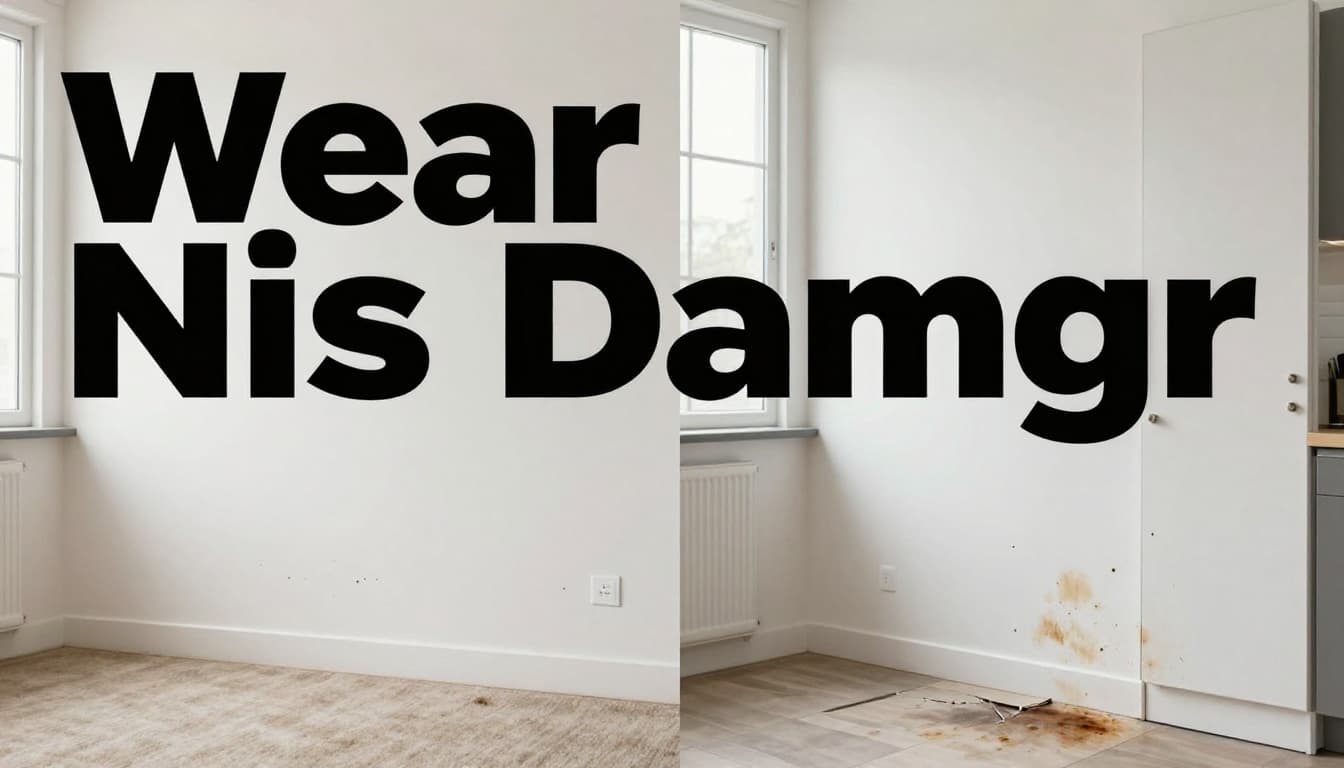
Spot the Difference: Normal Wear vs. Damage You Pay For
Normal wear happens from daily life. Small nail holes from pictures? Okay. Subtle scuffs on walls? Fine. Carpet fades after years of footsteps. Landlords eat those costs.
Damage crosses the line. Gouges from furniture drags cost money. Pet urine soaks carpets. Broken fridge shelves need fixes. You caused it during your stay.
Landlords can’t deduct routine cleaning. Vacuum marks or dust bunnies don’t count. They must prove extra dirt beyond move-in state.
Examples help here. Nail from a poster: wear. Fist-sized hole: damage. Door knob marks: wear. Cracked door: damage. Learn these. Ask for a pre-inspection in states like California.
This knowledge protects you. Most disputes die when tenants explain the difference. Landlords back down fast.
State Rules on Deadlines and Interest You Need to Know
Deadlines vary by state. Miss them, and landlords lose deduction rights. Always give your forwarding address in writing. Send it certified mail.
Here’s a quick comparison for key states in 2026:
| State | Deadline | Interest? | Key 2026 Notes |
|---|---|---|---|
| California | 21 days | Some cities yes | E-refunds if paid electronic; photos required |
| Colorado | 30-60 days | Local rules | No normal wear deductions; proof needed |
| New York | 14 days | Yes, min 1.5% | Strict; full return or forfeit all |
| Texas | 30 days | No | Starts after address given |
For full California details, see the official courts guide to security deposits. Colorado expanded wear protections under recent bills.
Provide your address right away. Landlords must itemize deductions with receipts. In California, AB 414 adds e-payments. New York hits 14 days hard. Texas waits on your notice.
These rules give you power. Track the clock. Demand compliance.
Document Your Rental Like a Pro from Day One
Proof wins deposit fights. Start at move-in. Snap photos of every room. Video the walkthrough. Capture walls, floors, appliances. Note dates and times.
Get a signed checklist. List all issues like chipped counters. Keep rent receipts. Save emails on repairs. In California, request a pre-move-out inspection.
At move-out, repeat. Photo clean spaces. Timestamp everything. Send your new address certified. This creates ironclad evidence.
Landlords challenge weak proof. Your records shut them down. Most refund full when they see details.
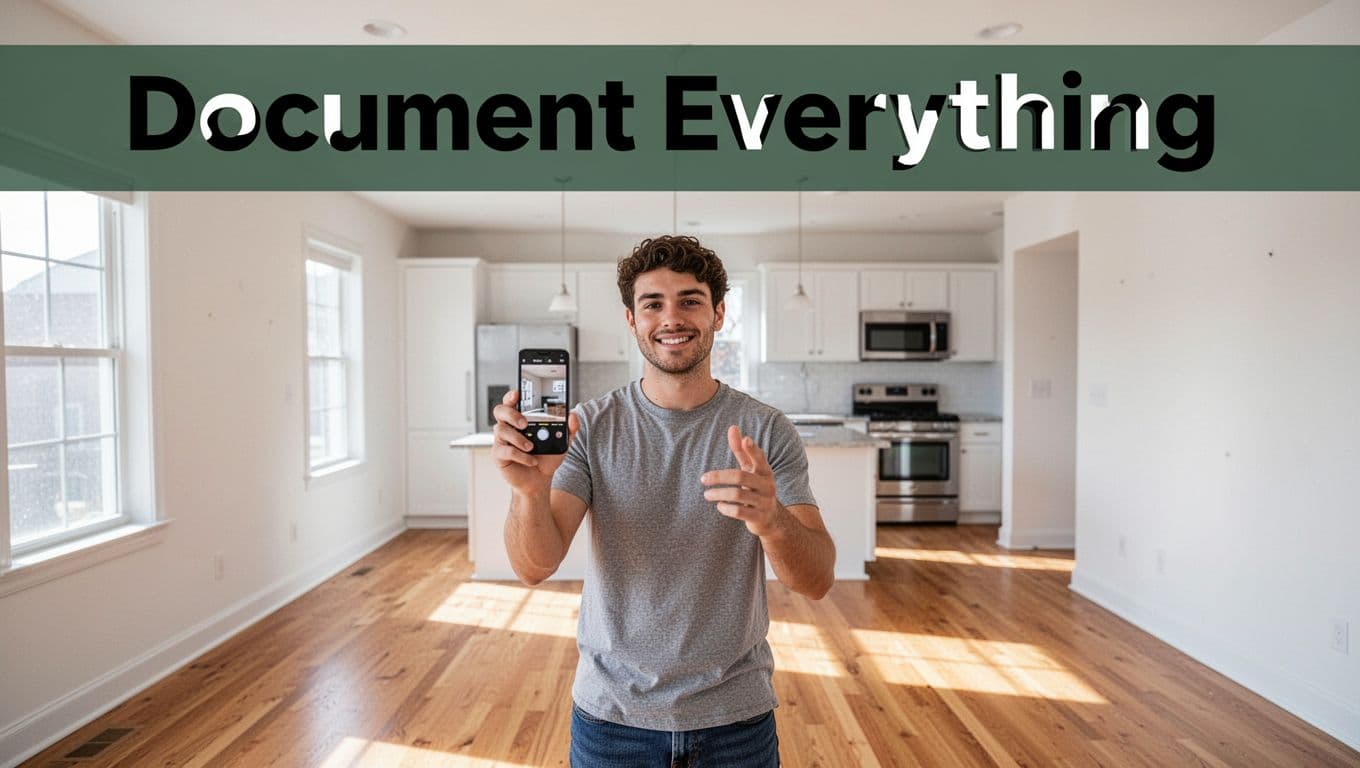
Must-Have Photos and Checklists for Move-In and Move-Out
Walk in day one. Open your phone camera. Shoot wide shots first. Then close-ups of flaws.
Steps stay simple:
- Video the full tour. Narrate issues like “scratched fridge here.”
- Photo appliances inside and out. Ovens, washers count.
- Walls and floors next. Note stains or cracks.
- Get landlord sign-off on the list.
Move-out mirrors this. Clean first. Then document spotless spots. Include receipts for fixes you did.
Store files by date. Cloud backups work. Email copies to yourself. This prep pays off big.
Nail the Move-Out Process to Make Refunds a Breeze
Give 30 days written notice. Check your lease. Clean deep before walkthrough. Vacuum carpets. Scrub bathrooms. Wipe appliances.
Remove all trash. Fix minor issues yourself. Return keys in person. Provide your address again.
Schedule the final inspection. In California, they must allow pre-move-out checks. Opt for electronic refund if you paid that way.
Landlords find no faults here. They refund fast. Skip this, and they nitpick.
Your Step-by-Step Move-Out Checklist
Follow this order. It covers bases.
- Send written notice 30 days early.
- Deep clean: scrub grout, degrease oven, dust blinds.
- Patch small holes, touch up paint if lease requires.
- Haul trash, vacuum every inch.
- Photo and video the clean unit.
- Hand over keys, get receipt.
- Confirm forwarding address in writing.
Texas stresses the address. New York demands perfection in 14 days. Do this right. No excuses left.
For Texas specifics, review the state law library guide on security deposits.
Fight Back Smartly If Your Landlord Withholds Your Deposit
Deposit arrives short? Don’t panic. Send a demand letter first. List the full amount due. Attach photos, receipts, lease. Cite state deadlines.
No reply in 7-10 days? File in small claims. No lawyer needed. Fees stay low, under $100. California adds up to double damages for bad faith. Colorado triples wrong amounts.
Bring all docs. Judges side with prepared tenants. Over 90% win full refunds plus extras. Free tenant aid exists in most states.
Skip court for tiny amounts. Negotiate instead. Know when to push.

Write a Winning Demand Letter Template
Keep it polite but firm. Use this:
[Your Name]
[Your New Address]
[Date]
[Landlord Name]
[Their Address]
Re: Security Deposit for [Unit Address], Move-Out [Date]
Dear [Landlord],
I moved out on [date]. You hold my $ [amount] deposit. Per [state law, e.g., CA Civil Code 1950.5], return it in full within 21 days.
No unpaid rent exists. Damage claims fail; see attached move-in/out photos. Cleaning stays routine.
Refund $ [amount] by [deadline, e.g., 7 days]. Or face small claims.
Sincerely,
[Your Name]
Attach evidence. Send certified. Copy your files. This works often.
Wrap It Up Right
Document from day one. Clean thoroughly. Know your state rules like California’s 21-day clock or New York’s strict 14 days. Dispute smartly with proof.
Most tenants get full refunds when prepared. Start now. Snap those move-in photos. Check state timelines here for your area.
Got a deposit story? Share below. Prep today saves headaches tomorrow.