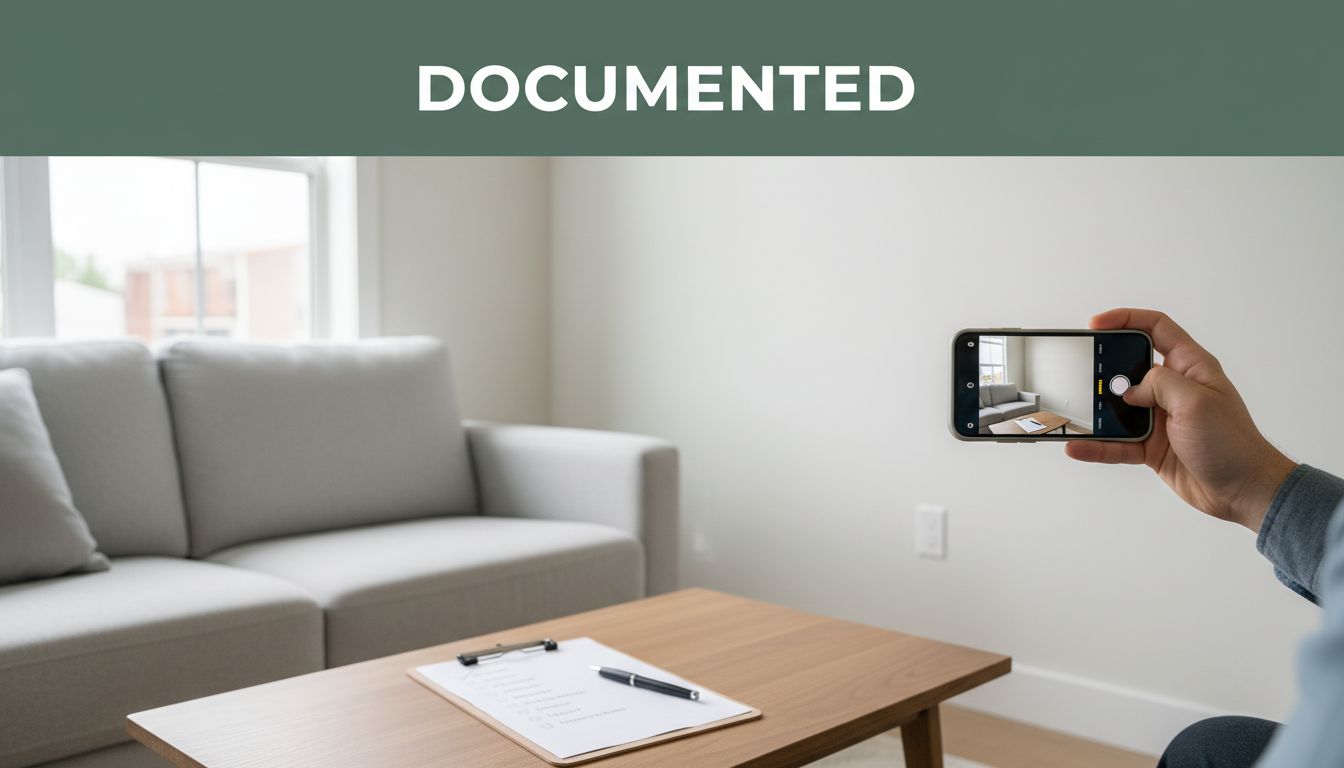
Picture this. You hand over the keys to your new rental. Months later, the tenant moves out. They argue over a scuff on the wall that was there all along. You face a deposit fight in small claims court. Or flip it: as a tenant, you get hit with a bill for faded carpet the landlord never noted at move-in. These headaches happen too often.
Solid documentation fixes that. It shows the property’s state at start and end. Both sides win. Tenants reclaim full deposits. Landlords skip unfair repair costs. Recent data backs this up. From 2020 to 2022, big firms like Invitation Homes refunded just 39.2% of deposits, far below the 63.9% US average. Clear records cut those gaps.
In 2026, rules tighten. California’s AB 2801 demands date-stamped photos at move-in, move-out, and post-repair. Skip them, and you forfeit claims. This guide covers it all. You’ll learn why records matter, tools to use, room-by-room checks, photo tricks, report setup, legal musts, and pitfalls to dodge. Follow these steps for smooth renting.
Why Thorough Documentation Protects Landlords and Tenants Alike
Records build a safety net. They prove what existed before a tenant arrived. Normal wear, like light paint fade, stays off the bill. Real damage, such as deep gouges, gets charged right.
Landlords benefit first. In disputes, photos and notes win cases. You avoid paying for pre-existing issues. Tenants trust you more. Good records mean fewer evictions, which hit 3.6 million filings yearly.
Tenants gain too. You spot landlord neglect early, like leaky faucets. At move-out, evidence gets your deposit back fast. Both sides save time and cash.
Joint walkthroughs work best. Do move-in with an empty unit, before furniture blocks views. Schedule move-out right after vacating, pre-cleaning. Even if one party skips, document solo. Share copies immediately.
Timing matters. Start move-in inspections on lease day. Recent reports show this slashes fights. For example, IRS rules require keeping records three years for tax deductions on repairs. Solid proof supports those claims.
Trust grows from here. Landlords keep reliable tenants. Tenants enjoy fair deals. In short, documentation prevents “he said, she said” battles.
Stock Up on Simple Tools for Effective Inspections
You don’t need pro gear. Everyday items do the job. Grab a smartphone first. Its camera adds timestamps for proof. Use the notes app for quick lists.
Add a flashlight. Dark closets hide mold or cracks. A tape measure shows damage size, like a two-inch hole. Print a checklist too. Mark spots as OK, needs fix, or damaged.
Pens help jot details. No fancy apps required at start. Free tools like Google Forms work fine. They log everything digitally.
These keep checks fast. Busy landlords finish in 30 minutes. Tenants note issues without stress. For ready templates, check this move-in move-out property inspection checklist.
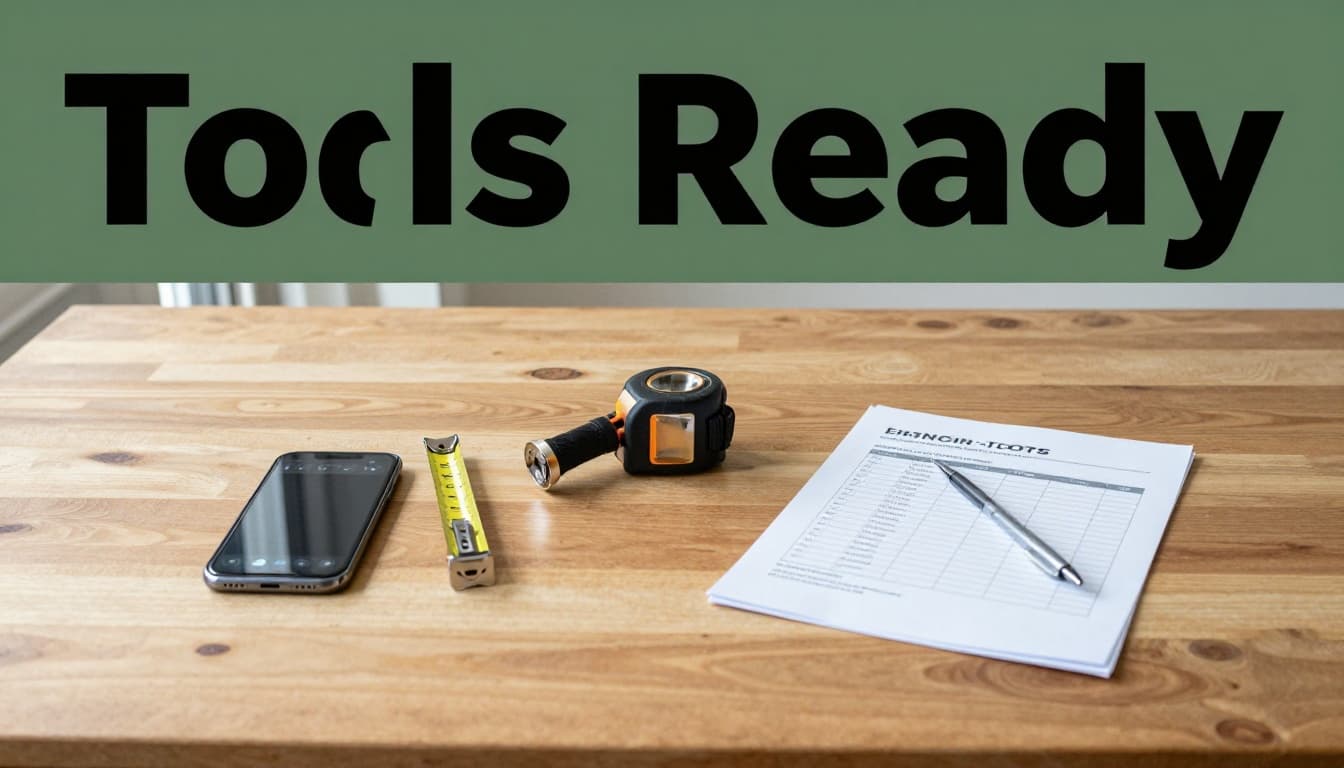
Setup takes minutes. Lay tools out before starting. Test your phone camera. Charge it fully. Now you’re set for smooth inspections.
Inspect Every Room Systematically to Spot Issues Fast
Go room by room. Test everything. Note normal wear versus damage. Faded paint counts as wear. Fresh stains or holes signal trouble.
Start with lights and outlets. Flip switches. Plug in a lamp. Check locks on doors and windows. Run faucets for pressure and drips.
Appliances next. Turn on stoves. Flush toilets. Feel for hot spots or odd noises. This catches hidden problems early.
Differentiate issues clearly. Normal wear builds over time. Damage comes from neglect or abuse.
Kitchen Must-Checks for Hidden Problems
Kitchens hide grime. Open all cabinets. Look inside for cracks or pests. Check counters for chips. Run the sink. Note water pressure.
Test stove burners. Light each one. Open the oven. Inspect the fridge interior for frost or odors. Run a dishwasher cycle if present.
Peek under sinks for leaks. Scan floors for sticky spots or gouges. These steps spot fixes before they worsen.

Missed leaks lead to big bills. Check twice.
Bathroom Scans to Avoid Surprise Repair Bills
Bathrooms breed mold. Flush the toilet. Listen for weak flushes. Run shower or tub. Check drain speed.
Test all faucets. Look for drips or stains. Inspect mirrors for cracks. Scan tiles and grout for gaps.
Turn on the exhaust fan. Note noise or dust. Floors often slip hazards. Press for soft spots.
These checks prevent shock charges. Dry areas fully after tests.
Bedroom and Living Room Details That Matter
Walls tell stories. Look for marks, cracks, or dents. Test windows. Locks must secure. Seals keep drafts out.
Carpets show wear. Note stains or pulls. Check closets for shelves or rods. Test outlets and lights.
Ceiling fans spin smooth. No wobbles. These spaces get heavy use. Document base conditions well.
Utility Areas and Outdoors You Should Not Skip
Don’t ignore basements or garages. Test washer and dryer cycles. Check water heater for leaks. Clean vents lack dust buildup.
Smoke and CO alarms beep on test. HVAC blows cool or warm air. Head outside. Scan balcony rails. Yard needs no overgrowth or pests.

Exteriors affect curb appeal. Note them all.
Capture Ironclad Proof with Smart Photos and Videos
Photos beat words. Start with wide shots of each room. Capture the full view. Then zoom on flaws.
Use a ruler next to damage. It shows scale. Shoot in natural light. Avoid shadows. Phone timestamps prove dates.
Videos add power. Do 360-degree walkthroughs. Narrate issues softly. Record before and after cleaning.
Share files right away. Email or app both parties. Cloud storage keeps them safe. This evidence settles disputes fast.
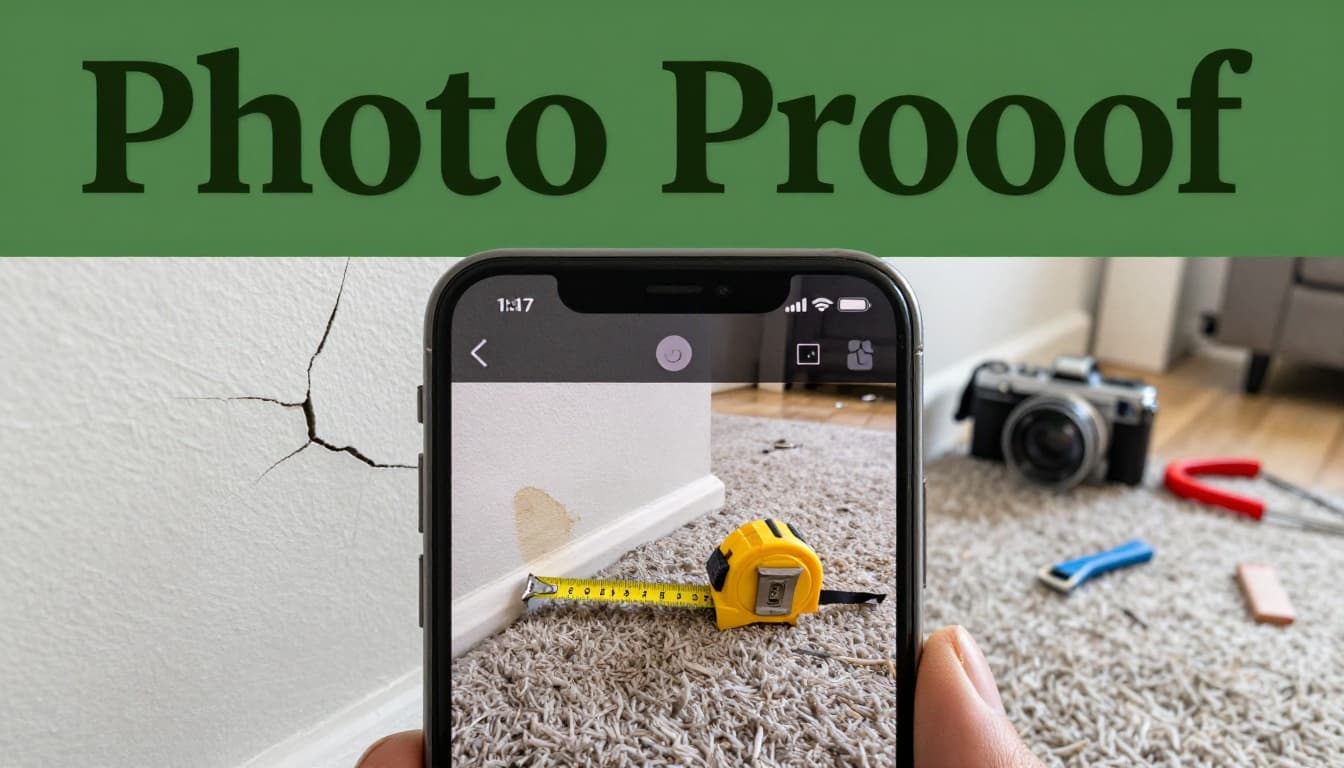
Visuals win in court. For best practices, see this landlord property inspection guide.
Build a Complete Report and Follow 2026 Legal Rules
Turn notes into a report. Use checklists with columns: OK, needs fix, damaged. Attach photos. List dates and signatures.
Both parties sign. Date it. In California, AB 2801 requires pre-move-in photos. Send itemized statements within 21 days post-move-out. Include before-after shots.
US basics include lead paint notices. Keep files two years minimum. Apps like AppFolio streamline e-signs.
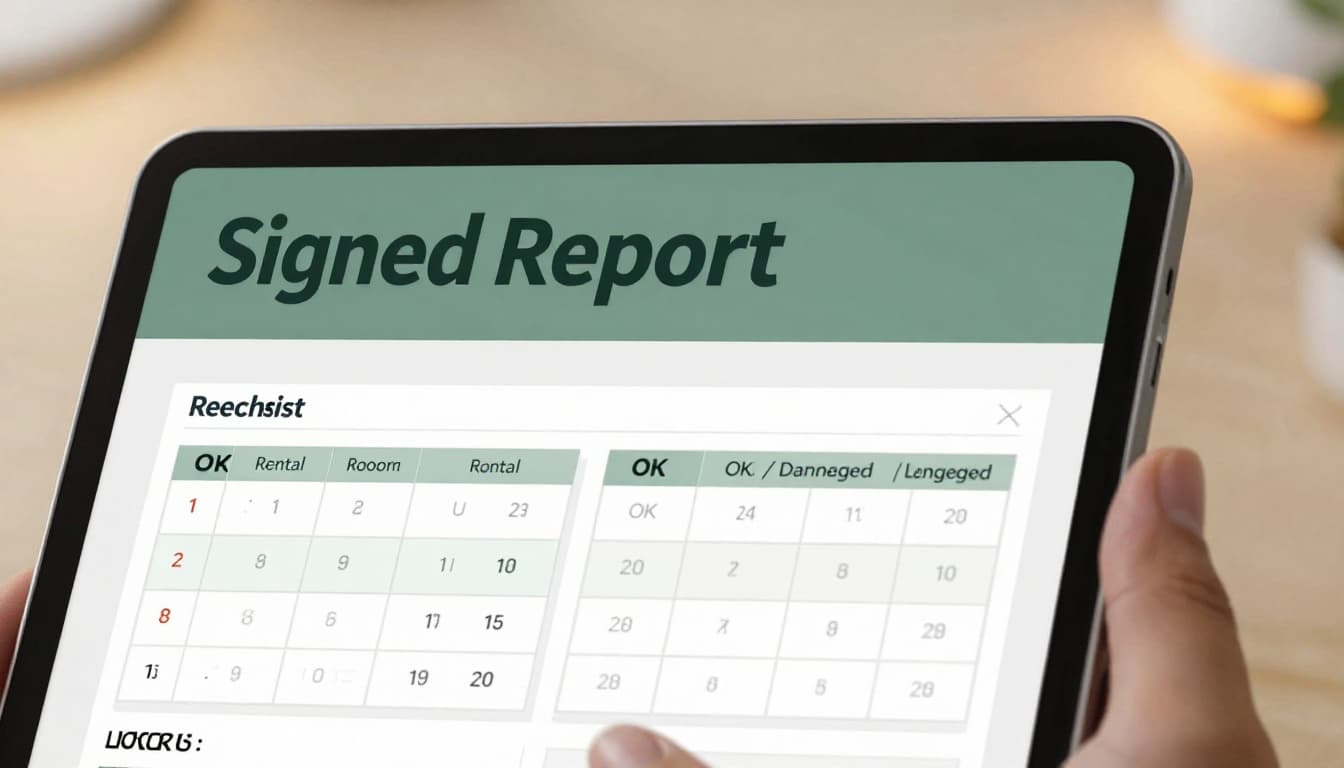
Digital beats paper. Stay compliant.
Common Mistakes That Derail Rental Documentation
Rushing tops the list. Skip joint walks, and fights brew. Always invite both sides.
Forget timestamps. Courts demand proof. Poor photos in dim light fail too.
Not sharing copies breeds distrust. Ignore state laws, like California’s photo rules, and lose claims.
Fixes help. Start 30 days early. Document alone if needed. For more pitfalls, read about poor documentation destroying real estate deals.
Slow down. Detail everything.
Solid records start with tools and room checks. Snap dated photos. Build signed reports. You’ll dodge disputes.
Grab a free checklist today. Test it on your next rental. Share your tips in comments. Rent hassle-free in 2026.
(Word count: 1487)