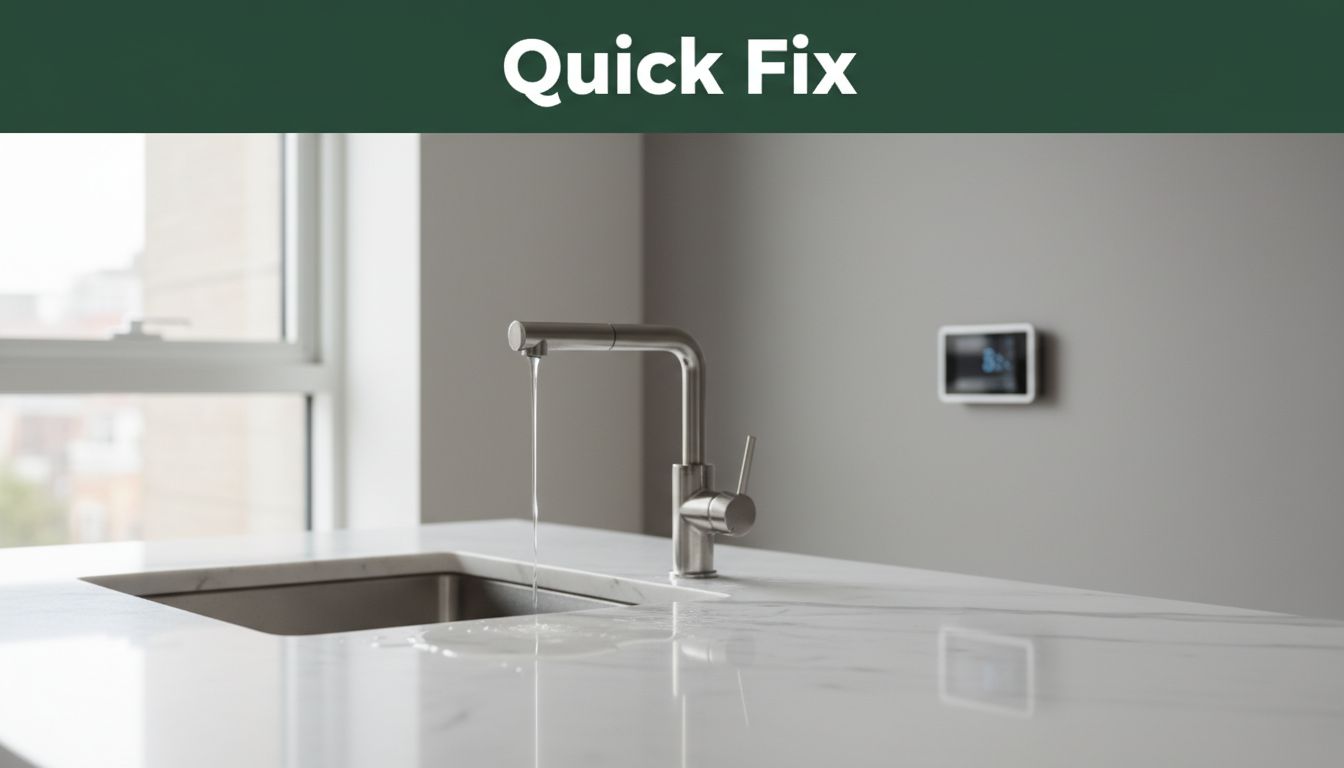
You wake up to a steady drip from the kitchen faucet. Water pools on the counter. Or maybe the heat cuts out on a freezing morning, leaving you shivering before work. These moments frustrate any renter. But most fixes happen quickly if you act smart.
Landlords must keep your place safe and livable. You have rights backed by law. This guide walks you through steps to report issues, document proof, know duties, escalate if needed, and prevent problems. Follow along to handle breaks with confidence.
Spot the Issue and Report It Right Away
Act fast when something breaks. Quick reporting stops small problems from worsening. A leak today could mean mold tomorrow. Tell your landlord right away in writing.
Common breaks include plumbing clogs, electrical shorts, broken heat, faulty locks, and dead smoke alarms. Each one risks your safety or comfort. Landlords owe you a habitable home, so they fix these at their cost.
Top Apartment Breaks That Demand Fast Action
Plumbing clogs or leaks flood floors and breed mold. They threaten health fast. Electrical outages or sparks start fires. No heat or AC hits hard in extreme weather. Broken appliances spoil food. Windows or doors that won’t lock invite break-ins. Silent smoke detectors leave you unprotected.
These issues tie to habitability laws. Your landlord must act because neglect violates tenant rights.
Craft a Clear Written Notice to Your Landlord
Skip phone calls. They leave no proof. Send an email, text, or letter instead. Include your name, unit number, and contact info. Describe the break exactly: “Kitchen faucet leaks one gallon per hour into cabinet.” Note when you saw it and how it affects you, like “No hot water means cold showers.”
Add photos if you can. Ask for a repair date. For sample wording, check this landlord repair request letter template. Keep your copy. Use certified mail for letters to prove delivery.
Document Everything to Build Your Case
Proof protects you. Take dated photos and videos from all angles. Show the problem clearly. Log every contact with your landlord. Note dates, what you said, and their reply or silence.
Track daily impacts too. Spoiled food from a bad fridge costs money. Cold rooms affect sleep. This record shows urgency if delays happen. It prepares you for next steps without starting over.
Store files in one folder. Apps like Google Drive timestamp them automatically. Strong records make landlords respond faster.
Understand Landlord Duties and Your Tenant Rights
Landlords must provide a safe, livable space. They fix plumbing, heating, electrical systems, structures, and safety items. You pay rent; they cover these costs.
Timelines vary by state. No nationwide 72-hour rule exists. Some states demand fixes in days for emergencies, others 30 days for basics. Check landlord repair timelines by state for your area. In California, new 2026 rules require stove or fridge fixes within 30 days of notice.
You have rights to privacy, safe living, and legal remedies. Local laws differ, so search your state’s housing site. Most require ongoing rent, but you can sue for refunds.
Repairs Landlords Handle Versus Your Small Fixes
Landlords tackle major systems like leaks or heat. You might handle light bulbs or air filters if your lease says so. Normal wear, like a worn faucet, stays their job. Your damage, like a punched wall, costs you.
For example, a clogged toilet from overuse falls on you. But faulty wiring never does. Read your lease to know boundaries.
Escalate Smartly If Repairs Stall
No reply after reasonable time? Follow up politely first. Send another written note. Then take firmer steps.
Contact local housing inspectors for code checks. File in small claims for costs or rent back. In unlivable spots, end the lease early. Most states let you “repair and deduct” after waits like 30 days. Pay for fixes, subtract from rent with receipts. Avoid it without advice.
Keep paying rent to stay legal. Suits recover money later.
Safe Ways to Push for Faster Fixes
Call code enforcement next. They inspect and order fixes. Use tenant hotlines or free legal aid. In 2026, stronger protections block evictions over repair fights.
Skip rent withholding alone; it risks eviction. Talk to a lawyer first. Sites like your state attorney general offer guides.
Prevent Future Breaks with Simple Habits
Stay ahead with easy checks. Inspect monthly for wear. Test smoke alarms. Report small issues early.
Use appliances right. Change filters quarterly. Wipe leaks at once. Take move-in photos for baselines. These steps cut big problems.
Tenants who maintain well get deposits back faster. Check this apartment maintenance tips list for more ideas.
Quick action and records fix most breaks. Know your rights, escalate wisely, and prevent issues. New state rules strengthen your side.
Share your story in comments. Or check local tenant resources today. You’ve got this.