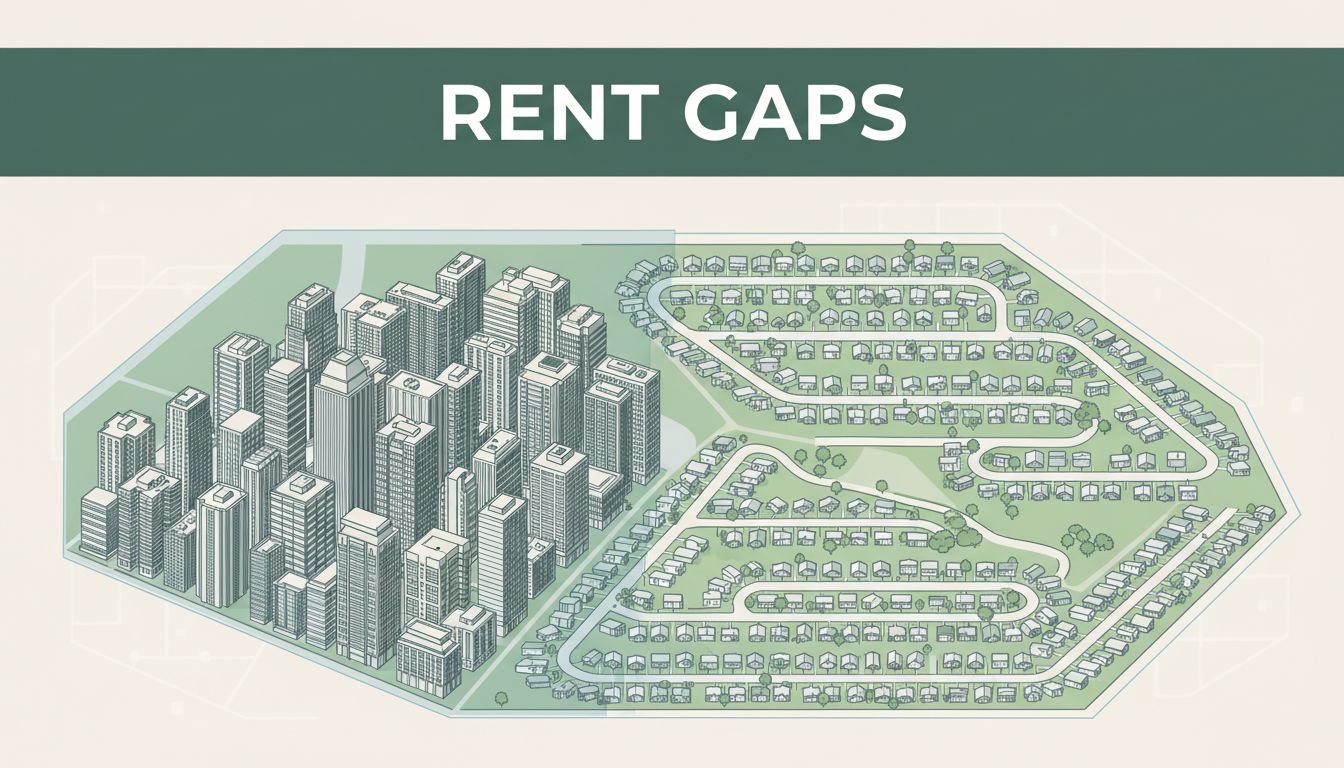
The national average one-bedroom rent hit about $1,500 in March 2026. That’s down around 4% from last year. Yet that same apartment might cost $3,000 in one neighborhood and $1,000 just miles away. Ever notice how rent swings wildly between cities or even nearby blocks?
You feel it when hunting for a place. Prices seem random at first. But they follow clear patterns. Jobs draw crowds to some spots and spike costs there. Short supply in others keeps prices high. Local perks or strict rules add to the mix.
This article breaks it down. We’ll cover supply and demand first. Then job markets, neighborhood appeal, and regulations. Real city examples tie it together. Understanding these helps you spot deals and avoid traps.
How Supply and Demand Sets Rent Prices in Motion
Supply and demand act like a seesaw for rent. More people chase fewer apartments, and prices climb. Extra units flood the market, so rents drop. Right now, national vacancy rates sit at 7.3% to 7.6%. That’s a multi-year high. It gives renters more power.
New leases average around $1,400 to $1,500. Many markets softened as builders added units. Austin saw medians fall 7.1% to $1,357. That’s from a building boom. Yet long-term, rents stay 19% above 2021 levels.
Consider Austin’s drop. New apartments eased pressure. Fort Myers and Denver follow suit with higher vacancies. Denver hit 7.6%, a 16-year peak. These shifts show supply wins when it catches up.
In tight spots, demand rules. Coastal cities hold firm. Vacancies below 5% mean landlords set terms. Rents dip short-term but rebound with jobs or limits on builds.
For deeper trends, check this 2026 rent increase study from SmartAsset. It ranks cities by changes.
When Demand Outpaces New Apartments
Demand surges in popular areas. But new builds lag. Fewer homes since 2023 pile on pressure. Harvard reports note softer markets overall. Still, renters spend over 30% of income on housing in record numbers.
High demand spots stay pricey. NYC holds a 4.6% vacancy. That’s landlord territory. Rents rose 0.8% year-over-year. Bay Area near San Francisco mirrors this at 3.5%. People flock for work or lifestyle. Builders can’t keep up fast enough.
Result? Prices stick high. You pay more for less choice.
Building Booms That Cool Hot Markets
Sun Belt cities flipped the script. Texas and Florida added tons of units. Austin’s supply glut cut rents sharply. Similar stories in oversupplied metros.
“Build-to-rent” communities help too. They target renters directly. A Senate push eyes curbing investor buys of single-family homes. That could free more stock.
These booms prove supply cools heat. Rents fell in 57% of metros last year.
Job Markets That Pull People and Push Up Rents
Strong jobs lure workers. They boost demand and rents. San Francisco tech draws crowds. Bay Area rents edged up 1.9%. Five-year gains topped 35% in hot hubs.
Northeast follows. Brooklyn saw 5.5% hikes. NYC overall climbed 2.7%. Chicago added 3.3%. Inflation runs at 2.41%, but some rents outpace it.
High home prices lock people into renting. Costs rose 32% or $600 since 2020. Median asking rent hit a four-year low of $1,667. Still 14% above pre-pandemic.
Jobs create cycles. Growth pulls folks in. Rents follow. Sun Belt leads forecasts. See RealPage’s job growth outlook for 2026.
Tech Hubs and Boomtowns Leading the Way
Tech spots shine bright. San Francisco averages near $3,800 for some units. Austin bucks the trend. Jobs grew, but supply tamed rents.
Virginia Beach gained 5% from steady job flow. These hubs command premiums. Workers pay for proximity to work.
Neighborhood Perks Worth Paying Extra For
Some areas charge more for vibe. Beaches, culture, or schools draw premiums. Florida’s Atlantic Coast heats up. Hollywood jumped 6.5%. Miami Beach added 4.9%. Miami overall rose $1,000 since 2021.
Gulf Coast cooled instead. Fort Myers dropped 6.4%. Naples fell 4.4%. Supply helped there.
Rhode Island climbed 4%. Oklahoma stays cheap at $1,063 average, up just 1.3%. Desirable spots justify extras. You pay for walkability or views.
Beaches, Culture, and Lifestyle Draws
Miami thrives on sun and nightlife. Beach access boosts appeal. Culture scenes in Brooklyn or Chicago do the same.
Yet Gulf relief shows balance. Oversupply offsets perks. Weigh what matters to you.
Local Rules and Limits That Lock in Higher Rents
Zoning and rules slow builds. Northeast, Midwest, and West Coast suffer most. Land scarcity adds hurdles. Post-pandemic costs soared. More units top $1,400 now, 11.8 million since 2014. Cheap ones dropped 9.3 million.
Sun Belt slows new starts. That might end cooling. Regulations stack costs.
Learn more in this analysis on regulations and rent prices.
Zoning Barriers in Big Cities
NYC zoning caps density. Midwest rules limit high-rises. Results? Low supply, high rents. Reform could help, but change comes slow.
Real City Examples Showing Rent Gaps in Action
NYC and Brooklyn stay tight at 4.6% vacancy. Rents hold firm. Austin plunged 7.1% on supply. San Francisco extremes contrast Fort Myers relief.
National trends soften into 2026. Vacancies rise. Yet affordability hurts middle-income folks. Harvard’s six takeaways on rental housing highlight shifts.
These gaps show factors at work. Pick wisely.
Supply and demand lead the pack. Jobs, perks, and rules shape the rest. Rents cool now, but long-term trends point up.
For 2026 moves, scout job-hot areas. Balance amenities against cost. Track local builds for deals.
Share your rent stories in comments. What surprises you most? Subscribe for more housing insights. Knowledge puts you ahead.