
You spot an apartment ad for $1,495 monthly rent. It looks perfect. Your budget fits right in. But after fees pile up, that total jumps to $2,200 or more.
National median rent hit $1,495 for a one-bedroom in March 2026. Yet extras like deposits and add-ons push many budgets over the edge. Renters often face stress from these surprises. They cut back on food or fun to make ends meet.
Listings show base rent only. They skip the full picture. This leads to shocks at signing or move-in. Common traps include application fees, pet charges, parking, utilities, cleaning, and late penalties. Spotting them early saves you thousands. This guide breaks down averages, examples, and tips. You’ll learn what to ask and how to avoid overpaying.
Upfront Fees That Hit Before You Sign Anything
Landlords charge these costs early. You pay before keys in hand. They add up fast if you apply to multiple spots. Ads rarely list them. So renters lose cash without a lease.
For instance, a couple eyes three apartments. They spend $200 on apps alone. None work out. That money vanishes. Trends show fees rising with demand. Always request a full list first. Some states now cap amounts. Check local rules to protect yourself.
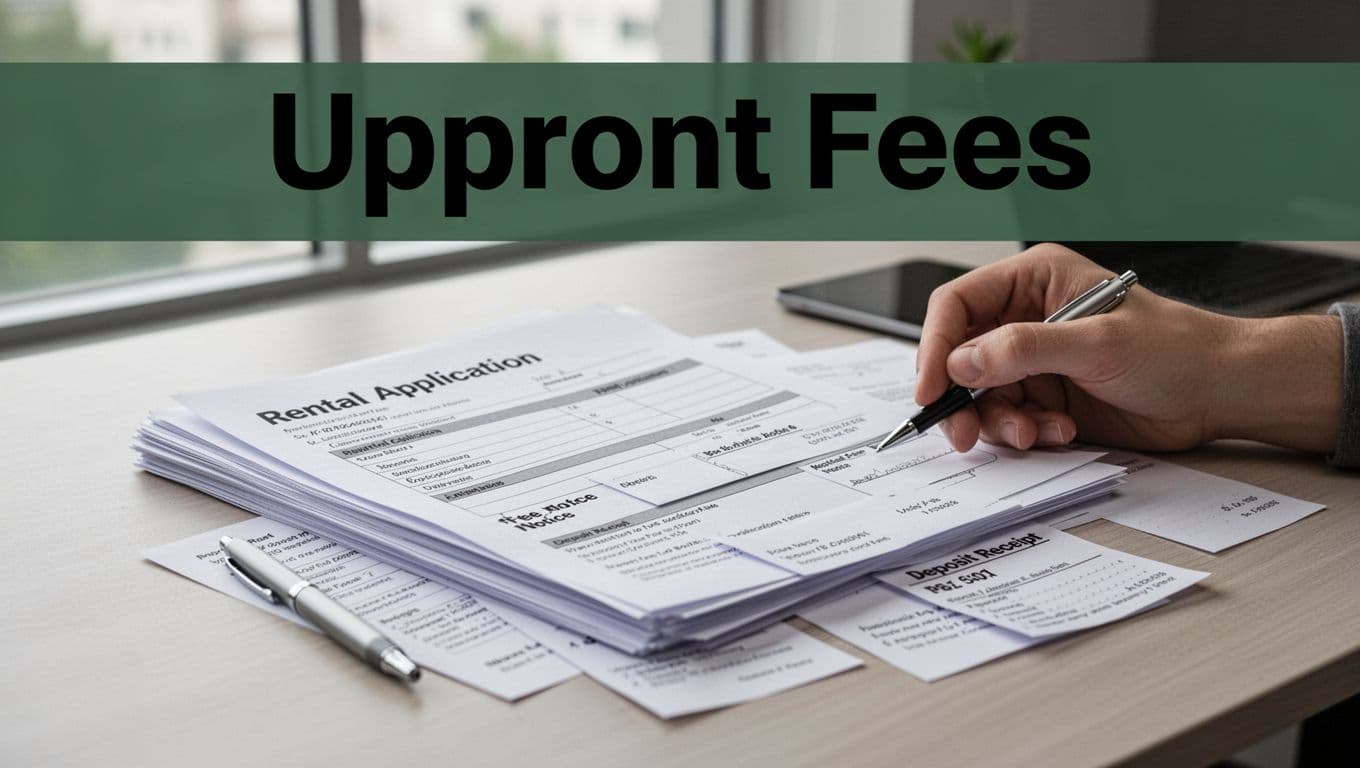
Application Fees and Screening Charges
These run $30 to $100 per person. Landlords use them for credit and background checks. Most stay non-refundable. Even denials mean you lose the cash.
Two roommates apply together. They pay $150 total. One bad credit score kills it. No money back. However, some listings waive fees. Negotiate or hunt no-fee options. For state-by-state caps, see this guide on application fees.
Pet Deposits and Other Move-In Bonds
Pet owners face $200 to $500 upfront. This acts like extra security. Sometimes it’s refundable. Other times, not. Add monthly pet rent later.
A dog lover pays $400 at move-in. Normal scratches spark disputes. Security deposits hit one to two months’ rent. That’s $1,500 to $3,000. Rules for deductions seem vague. Landlords claim damage easily. Take photos before moving in. It proves normal wear.
Monthly Add-Ons That Make Rent Skyrocket
Base rent sounds low. Then ongoing fees kick in. They turn $1,800 into $2,200 quick. Parking and pets lead the pack. Amenities and utilities follow close.
One renter budgets $1,495 rent. Parking adds $100. Pet rent $40. Utilities $200 with markups. Total climbs $440 higher. In short, read every lease line. Ask if fees stay mandatory. Averages show monthly extras near $65 nationwide.
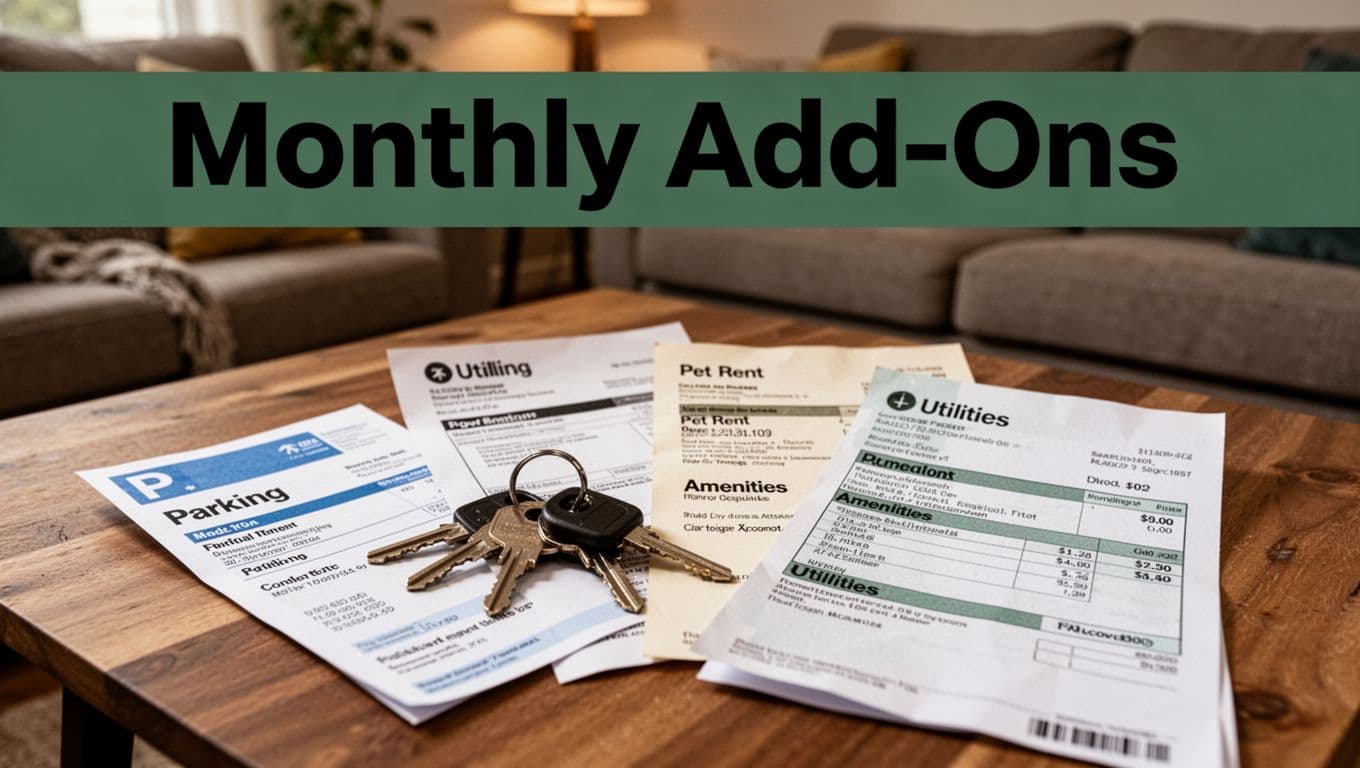
Parking and Pet Rent Every Month
Spots cost $50 to $300 monthly. Garages push higher in cities. You need a car. Yet fees surprise.
City dwellers add $150 for car and cat. Pet rent stacks $25 to $50 per animal. It recurs after deposits. Besides, some complexes charge regardless. Confirm spots in writing. For details on pet fees versus rent, check reliable sources.
Amenities and Utility Surprises
Pools or gyms tack on $10 to $100. Many complexes make them required. You skip the gym. Still pay.
Utilities average $150 to $300 for basics. Electric, water, gas, internet all count. Landlords add admin fees. One report notes total renting costs with these breakdowns. Always estimate your usage. Switch providers if possible.
Move-Out and Penalty Fees You Never See Coming
These hit at end or slip-ups. Cleaning charges lead. Late payments follow. Deposits cover vague “damage.”
You leave a clean unit. Still get a $250 bill. Normal dust counts against you. Big firms faced scrutiny for this. Document with photos and videos. It fights unfair claims. Trends show more renters dispute now.
Cleaning Charges at Every Stage
Expect $100 to $300 at move-out. Some charge move-in too. Monthly common area fees run $20 to $50.
Landlords clean “normal” wear. Vacuum marks or scuffs trigger bills. One example lists 12 common hidden fees. Schedule your own pro cleaning. Keep receipts.
Late Rent and Other Fines
Fees start at $50 to $100 per late day. Interest piles on. Auto-billing misses sneak in.
Pay five days late. Owe $75 plus 5% interest. Set reminders or autopay wisely. Review lease penalties upfront.
New 2026 Rules and Smart Ways to Avoid These Traps
Changes help in 2026. FTC launched a rulemaking on March 12. It targets hidden fees in ads. Public comments shape rules. See the FTC’s rental fee notice.
Connecticut passed a law against sneaky charges. It pushes full disclosure. Average rent sits near $1,900 there. More states follow. Colorado requires bold total prices.
Tips work anywhere. Request itemized lists always. Ask, “What’s the true monthly total?” Read leases twice. Use apps for reviews. Negotiate fees before signing. Check state of renting reports for trends. You save $100 or more monthly. Knowledge ends surprises.
Hidden costs like upfront apps, monthly parking, and cleaning fees add $400 to $800 yearly easy. You know them now. Use these tips on your next hunt.
Share your fee stories in comments below. Subscribe for renter updates. Grab a free lease checklist too. Smart moves let you thrive in any market.