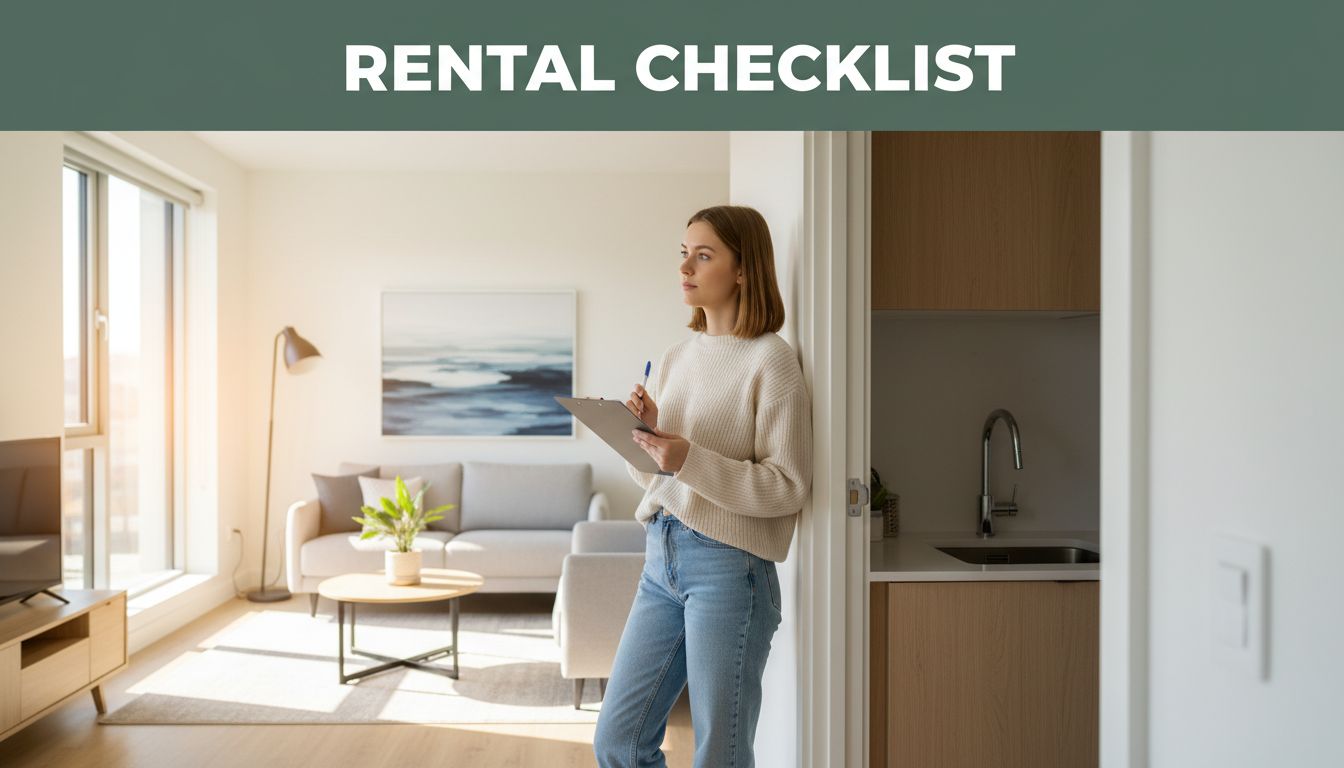
Picture this: Sarah found a great deal on a cozy apartment last month. She skipped the full walkthrough to beat other applicants. Two weeks in, she discovered leaky pipes and pest problems that cost her $2,000 in fixes, all because the landlord pinned it on her.
Rents in 2026 stay stable or dip slightly after years of drops, with vacancies at 7.6% making markets more renter-friendly. Still, common pitfalls like hidden damage, fake listings, or surprise fees catch folks off guard. That’s why you need to check before moving into a rental; it saves money, stress, and headaches down the line.
In this guide, we’ll walk through key steps like the property inspection, lease fine print, utilities setup, neighborhood vibes, legal protections, and red flags to dodge. Follow along, and you’ll land a safe, fair spot that fits your life. Let’s start with the walkthrough.
Do a Full Walkthrough to Spot Property Issues Early
Ask to join your landlord for the move-in inspection. This lets you document the unit’s condition together. Take plenty of photos, videos, and notes right then. These records protect your security deposit from unfair charges later.
Start with basic checks to catch big problems fast. Test every window and door for smooth operation. Jiggle locks to ensure they secure properly. Inspect floors, walls, and ceilings for cracks, stains, or soft spots that signal water damage. Plug devices into outlets, flip light switches, and test fans. Run faucets to check water pressure, hot and cold temperatures, and no drips. Note it all in detail.
Grab a free move-in checklist template to stay organized. It covers rooms and features step by step. This simple habit prevents disputes because you have proof of the starting state.
Here are quick steps to follow during your walkthrough:
- Open and close all windows and doors; listen for squeaks or sticks.
- Press on floors and walls; feel for give or dampness.
- Test every outlet and switch with a phone charger or lamp.
- Turn faucets on full; watch for steady flow and no leaks under sinks.
- Snap dated photos from multiple angles, including timestamps.
These actions build a strong baseline. Now dive into high-use spots.
Focus on Kitchen, Bathrooms, and Key Living Areas
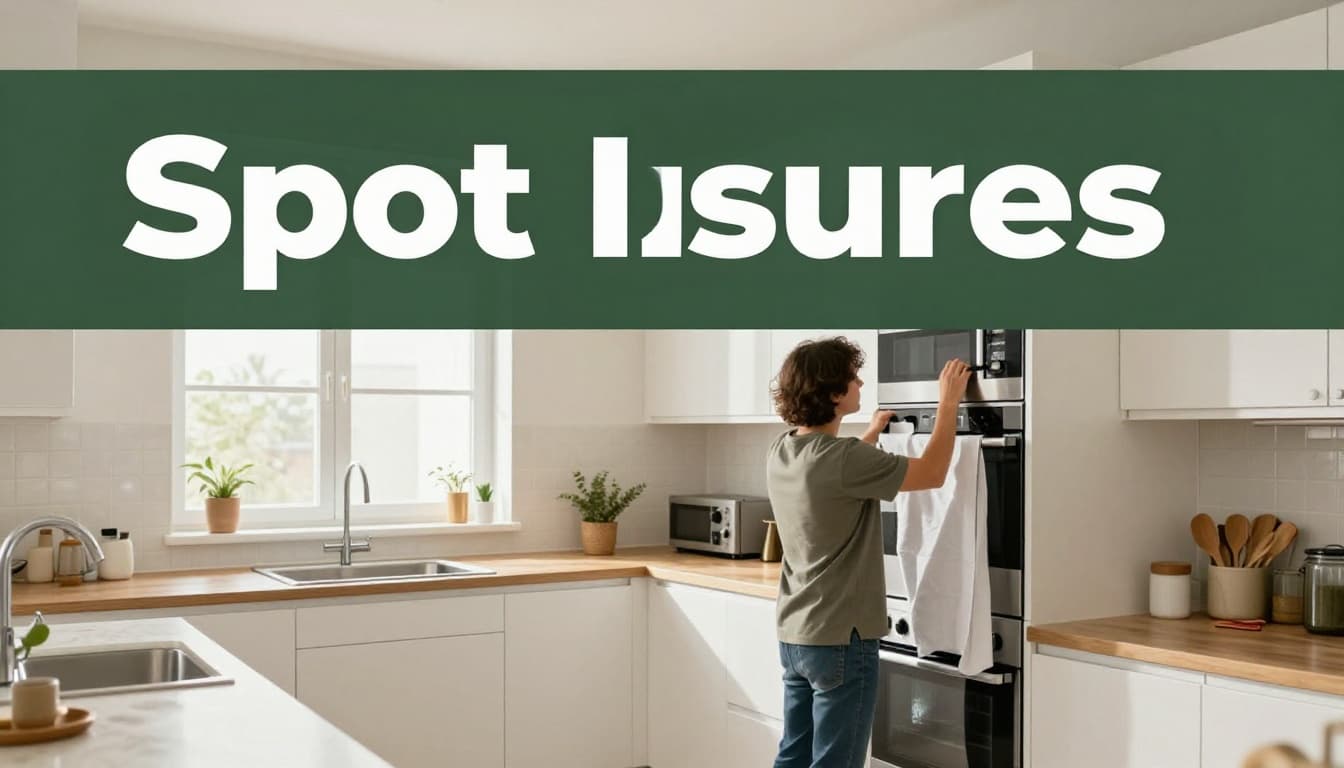
High-traffic areas like the kitchen and bathrooms reveal daily habitability fast. Test the stove burners and oven for even heat. Open the fridge; it should cool quickly to below 40 degrees. Run the dishwasher through a cycle if possible; listen for odd noises. Check cabinets inside for pest droppings, chew marks, or warped wood.
In bathrooms, flush each toilet; water should refill without gurgling. Run showers and tubs for strong drainage and steady pressure. Look for mold around grout or tiles, especially in corners. Test the HVAC vents in living rooms and bedrooms. Feel for clean airflow, then turn on heat and AC to confirm they respond.
Smell for musty odors or smoke hints. Spot water stains on ceilings or baseboards. These issues violate the implied warranty of habitability in most states. They affect your comfort and health daily. Catching them now means the landlord fixes them before you sign.
Don’t Skip the Outside and Common Spaces
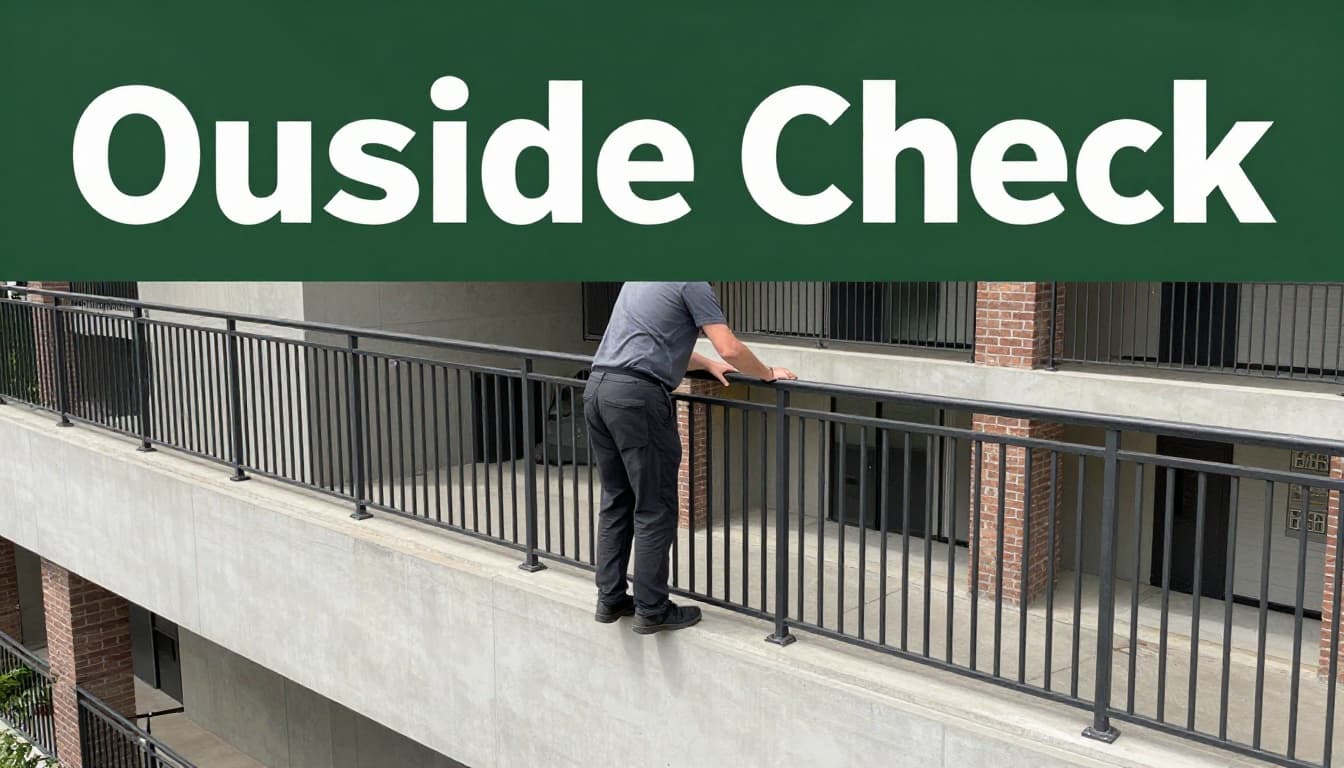
Exteriors and shared spots often hide hazards. Claim your parking spot; drive in to test clearance. If there’s a garage, check the door opener and lighting. On balconies, grip railings firmly; they must hold weight without wobble. Scan the yard for uneven pavement, potholes, or overgrown weeds that trip you.
In common areas, peek at laundry rooms for clean machines and good lighting. Walk hallways and stairs; note burned-out bulbs or loose steps. Handrails should feel sturdy along paths.
By 2026, some cities ramp up exterior rules. California requires inspections for balconies and decks on multifamily rentals starting January 1. Landlords must hire experts to check for rot or rust under SB 721. Ask about recent reports to avoid unsafe spots.
These checks keep you safe and cut surprise costs. Document everything, and you set up for smooth living.
Read the Lease Line by Line to Avoid Hidden Surprises
You nailed the walkthrough and spotted issues early. Great job. Now turn to the lease. Read it word for word before signing. Vague clauses or buried fees lead to fights later. For example, one missed line cost a friend $500 in unexpected pet charges. Ask all questions in writing. Get a renter’s insurance quote too; it covers your stuff and liability gaps the lease ignores.
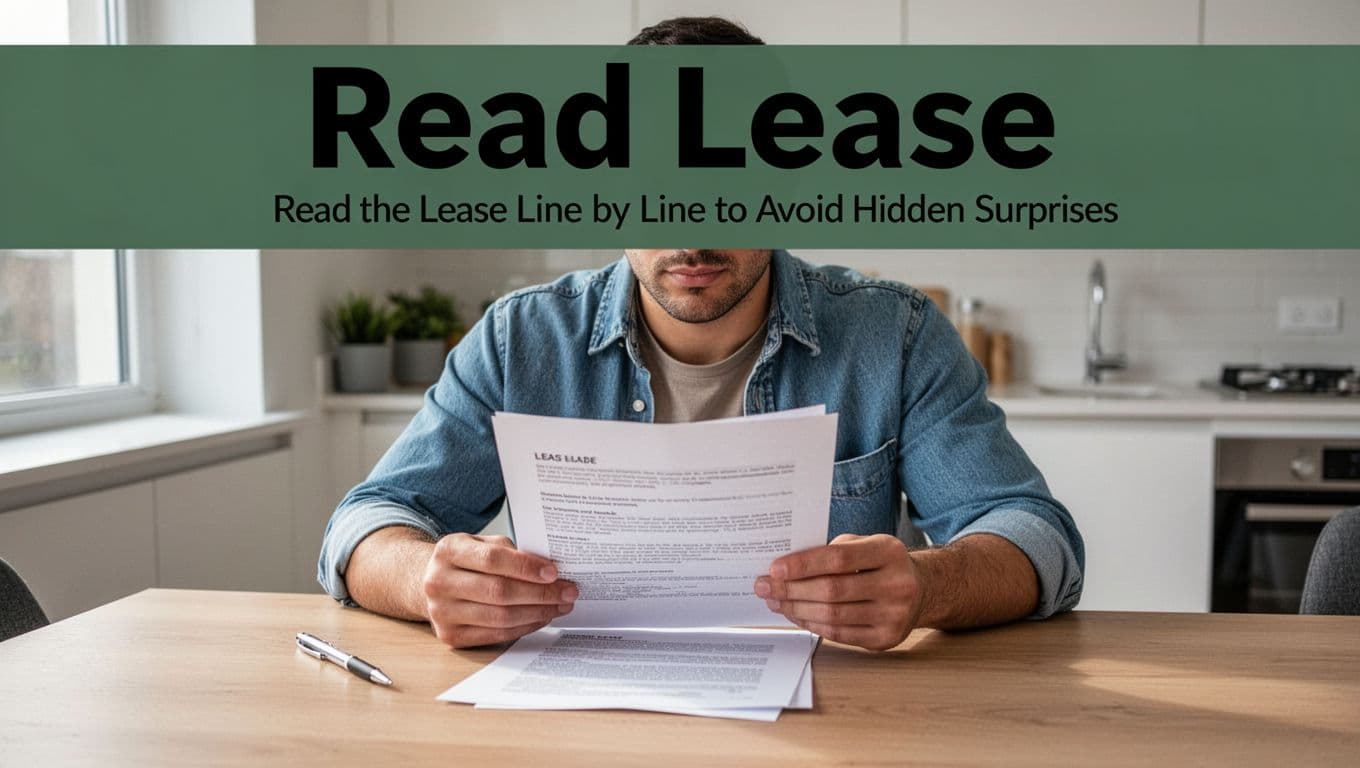
Spot key spots like rent amount, due dates, and late fees first. Does it spell out grace periods? Next, check the term length and auto-renewal traps. Pet rules often hide breed bans or extra deposits. Subletting and guest limits vary; some cap stays at 7 days.
Rent hikes matter in 2026. Most states let landlords raise anytime with notice. However, California limits to 5% plus local CPI (up to 10%). Oregon caps at 9.5%, Washington at 9.7%. Always confirm local caps.
Landlord entry needs 24-48 hours’ notice in most places, except emergencies. Get that confirmed.
Understand Deposit and Maintenance Rules
Security deposits protect landlords, but laws shield you. Most states cap them at 1-2 months’ rent; 24 states have no limit. “Last month’s rent” often counts toward the cap, so clarify upfront. Refunds come in 14-60 days, with itemized deductions required everywhere. Pennsylvania adds interest after year two and mandates bank proof.
Check security deposit laws by state for your area. Starting 2026 in some spots, refunds go via single check to all tenants.
Maintenance splits duties clearly. Landlords fix major stuff like broken plumbing or heating under habitability laws. You handle minor clogs or careless damage. Trends push preventive checks; California and others fine landlords for ignored issues like balcony rot.
Here’s a quick breakdown:
| Issue Type | Landlord Pays | Tenant Pays |
|---|---|---|
| Major plumbing leaks | Yes | No |
| Minor sink clogs | No | Yes |
| HVAC failure | Yes | No |
| Broken window (your fault) | No | Yes |
| Roof leaks | Yes | No |
Warns against vague terms like “tenant responsible for all repairs.” Push for specifics.
Before signing, run this checklist:
- What’s the max deposit, and where does it go?
- Repair timelines and who calls plumbers?
- Entry notice period and reasons allowed?
- Rent increase rules and notice?
- Pet deposit refunds and sublet approval process?
These steps lock in fair terms. You avoid surprises and sleep better.
Test Utilities, Appliances, and Safety Features Right Away
You finished the walkthrough and lease review. Now test utilities, appliances, and safety gear on the spot. Contact providers ahead for electric, gas, water, and internet setup. Ask what’s included in rent, like trash or basic cable. This avoids move-in blackouts or surprise bills. Note serial numbers on big items for warranty claims later.
Start with appliances. Open the fridge door; it should hit 40 degrees or lower fast. Fire up stove burners for even blue flames, no pops. Run washer cycles if you spot one; listen for balance. These fall under habitability laws. For example, California requires working stoves and fridges in rentals by January 2026. Landlords maintain them, just like plumbing.
Safety features save lives, so check them first. Press test buttons on smoke and CO detectors; they must beep loud and clear. Replace batteries if weak. Most states demand detectors on every level, near bedrooms, and by fuel sources. HUD pushes CO rules harder in 2026 for rentals with furnaces or garages. Broken ones violate habitability standards. Test outlets with a lamp; grounded ones prevent shocks.
Here’s how to test key items quickly:
- Fridge and freezer: Set to normal, wait 30 minutes, check temps.
- Stove and oven: Ignite all burners, preheat to 350 degrees.
- Smoke/CO alarms: Push test button, confirm chirp every 30 seconds.
- Outlets and switches: Plug in chargers, flip all on and off.
Landlords cover these fixes under warranty of habitability. You handle bills unless rent includes them. Document fails in photos with the landlord present.

Confirm Neighborhood Safety and Amenities Fit Your Life
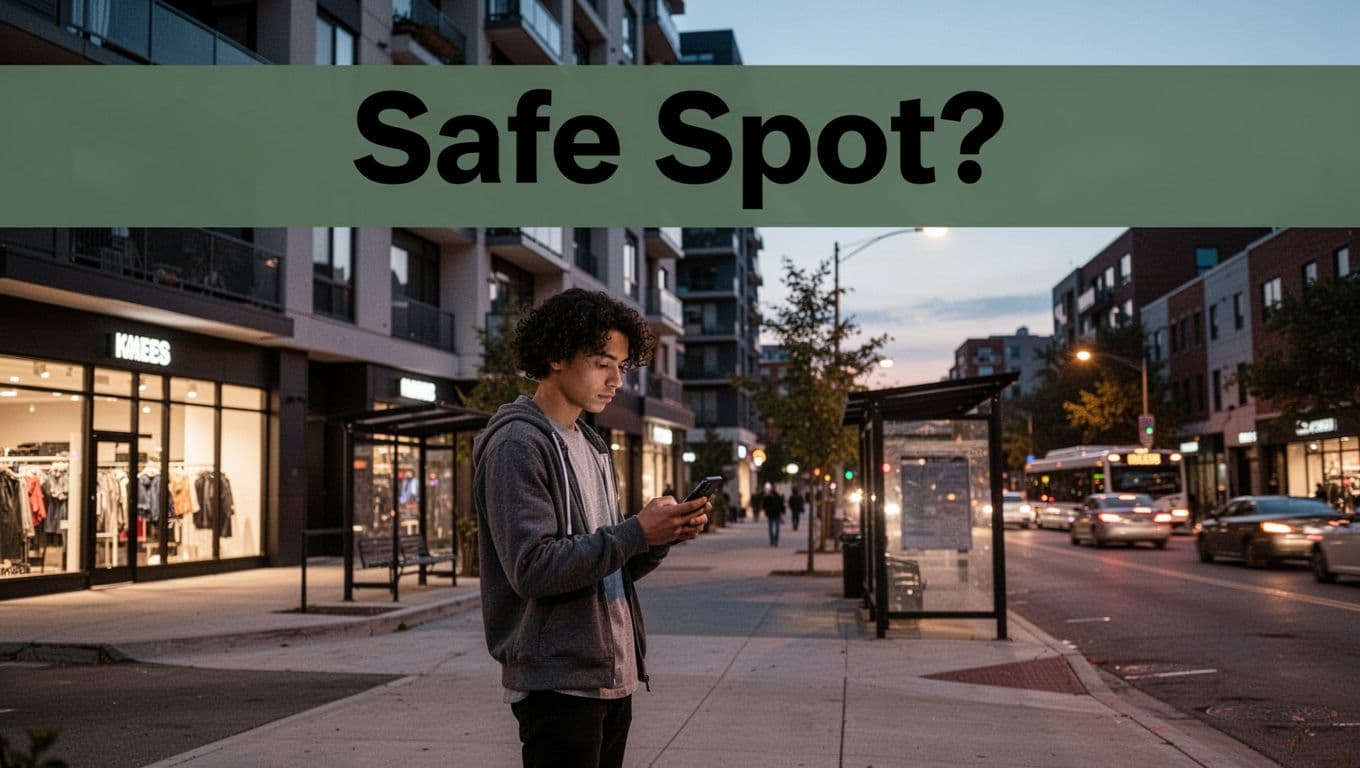
Visit the area day and night. Walk around at noon for traffic flow, then return after dark for noise levels and lighting. Chat with neighbors or current renters about real vibes. They share honest takes on parties or quiet hours.
Check crime stats with apps like Citizen for live alerts on break-ins or sirens. Spot shops, bus stops, schools nearby. Does a grocery run take five minutes? Test transit times yourself. If it’s a condo, review HOA rules for pets or parking. Occupancy limits cap guests too; ask upfront.
Proximity matters for your routine. A quick coffee shop beats a long drive. Quiet streets help you rest, especially with kids or remote work. These fits make daily life smooth, so scout them now.
Know Local Laws and Watch for Red Flags in 2026
You finished testing utilities and scouting the neighborhood. Now check local laws. They set clear rules for safe rentals. Most states require landlords to provide habitable units with working heat, hot water, and no pests. In addition, disclosures cover hazards like lead paint in pre-1978 homes or bed bugs. However, rules vary by city, so search your area’s tenant rights site first.
California updates habitability in 2026. Rentals need working stoves and fridges for new leases. Other states demand deadbolts on exterior doors and locks on windows over ground level. Many cities require rental registration too. Landlords must prove compliance. Check habitability laws by state to confirm basics like these.
Key Legal Checks Before You Move In
Start with habitability. Does the unit have steady heat above 68 degrees in winter? Test water for hot temps and pressure. Look for pest signs; landlords handle extermination. Next, ask for disclosures. Federal law mandates lead paint notices for older buildings. States add mold or bed bug history reports.
Safety counts most. Verify peepholes and deadbolts work. Windows need secure locks. CO detectors stay key in 2026, especially near garages or furnaces. Rent caps apply in places like California at 5% plus CPI. Finally, confirm city registration. Unregistered units face fines, so you gain leverage.
If unsure, hire a professional inspector. They spot issues you miss for $300 or so. This step protects your deposit and health.

Watch for These Bold Red Flags
Scams rise in 2026 with tight markets. Always verify ownership via county records. Pushy landlords rush you; walk away. Here are top warnings:
- Pushy landlord: Pressures quick deposits without walkthroughs.
- Visible damage: Cracks, stains, or mold they ignore.
- Inconsistent stories: Rent or rules change mid-talk.
- No walkthrough: Refuses full inspection or photos.
- Hidden fees: Surprise charges beyond the lease.
- Bad vibes: No references or poor online reviews.
See how to avoid rental scams for more tips. Trust your gut. These signs save you from fakes or lemons. Ask questions in writing always. Then you rent smart.
Conclusion
You started with Sarah’s story of leaky pipes and pests that hit her wallet hard. Now you know how to avoid that trap.
Focus on these top 5 must-do checks for your rental inspection checklist 2026. Print this list, snap photos during your walkthrough, and share it with friends before they sign.
- Test all windows, doors, locks, outlets, and switches for smooth work.
- Check walls, floors, ceilings for cracks, stains, or water damage.
- Run faucets, fridge, stove, and safety alarms like smoke detectors.
- Read the lease for fees, deposits, and rent hike rules.
- Scout the neighborhood day and night; watch for red flags like pushy landlords.
Ready to move? Share your rental horror stories in the comments below. Subscribe for more tips on smart renting.
With these steps, you’ll land a great rental without regrets.