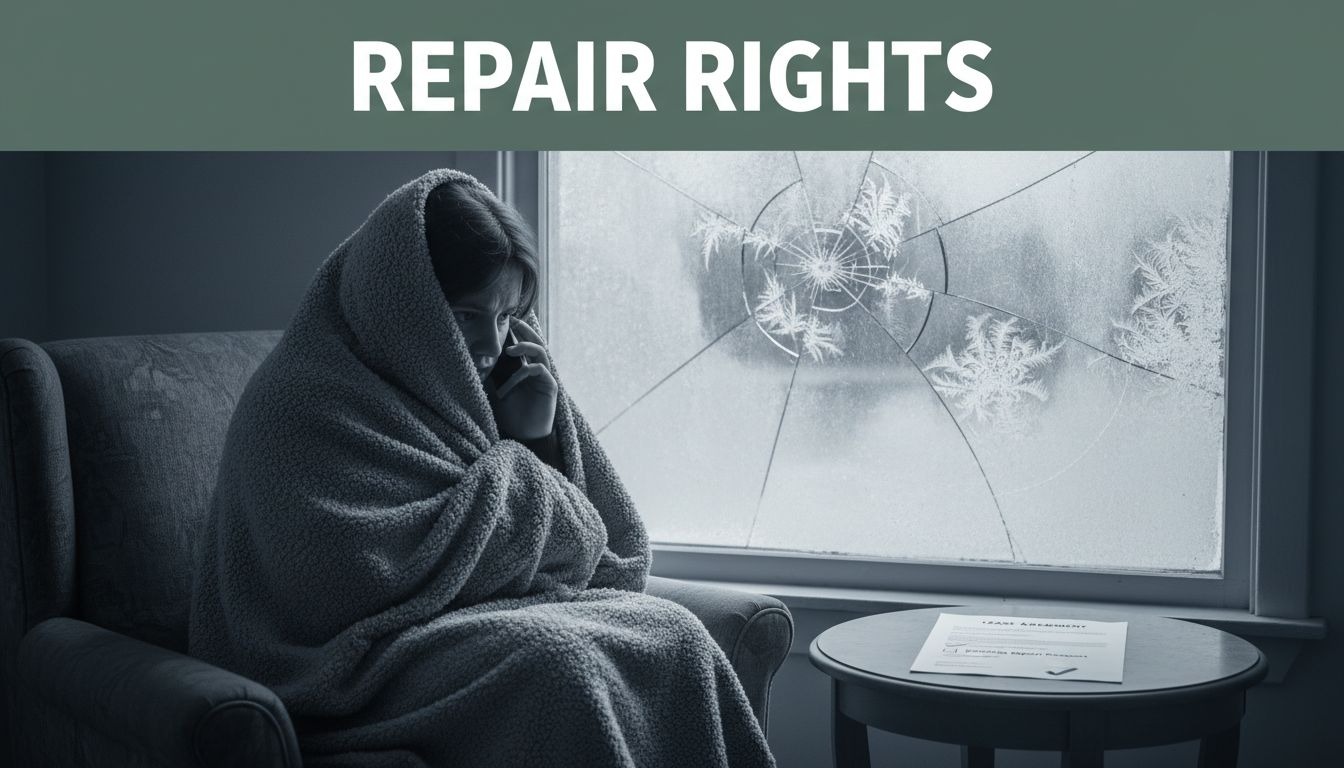
Imagine this: it’s the dead of winter, your heat cuts out, and freezing air seeps through cracked windows. You call your landlord, but days turn into weeks with no fix. Suddenly, you’re stuck in an unsafe, uncomfortable home, wondering if you can do anything about it.
That’s the frustration when your landlord doesn’t make repairs, but you have rights under US law. Most states enforce the implied warranty of habitability, which means landlords must keep your place livable with heat, hot water, and no major hazards like leaks or pests. Rules vary by state, though; for example, New York strengthened protections in 2024, letting tenants sue for rent reductions and court-ordered fixes.
Don’t worry, you can act without risking eviction. First, know your rights. Then document everything, notify in writing, escalate safely through repair-and-deduct or court, and shield against retaliation. Keep reading to walk through these steps one by one.
Know What Repairs Your Landlord Legally Must Fix
Landlords must keep your rental safe and livable. That’s the implied warranty of habitability in simple terms. It covers basics like heat, water, and secure doors. If they break, your landlord fixes them, or you face health risks and unsafe conditions. However, cosmetic fixes like fresh paint often fall on you.
Problems split into major and minor. Major ones threaten safety; expect fixes in 24-48 hours for emergencies like no heat or floods. Non-emergencies get 7-30 days. Minor issues annoy but don’t trigger big rights unless they worsen. Always check your state’s rules first, because they differ.
Examples of Habitability Problems That Demand Action
Major issues demand quick action. They risk injury, illness, or make your home unusable. For instance, pests spread germs fast. Here’s a list of common ones with impacts:
- No heat or broken AC in extreme weather: Hypothermia or heatstroke hits hard; you can’t sleep or stay healthy.
- No hot or cold water: Bathing, cooking, or drinking becomes impossible; infections follow.
- Leaking roof or walls: Mold grows, causing asthma; floors rot and slip.
- Sewage backups or broken plumbing: Bacteria like E. coli spreads disease; bathrooms stay unusable.
- Pest infestations (roaches, rats, bedbugs): Bites cause allergies; they carry illnesses if from building cracks.
- Electrical problems (sparks, no power): Fires or shocks threaten lives; outlets must work safely.
- Broken locks, windows, or stairs: Burglars enter easily; falls injure.
- No smoke detectors: Fires kill without warning.
- Severe mold: Breathing worsens; kids suffer most.
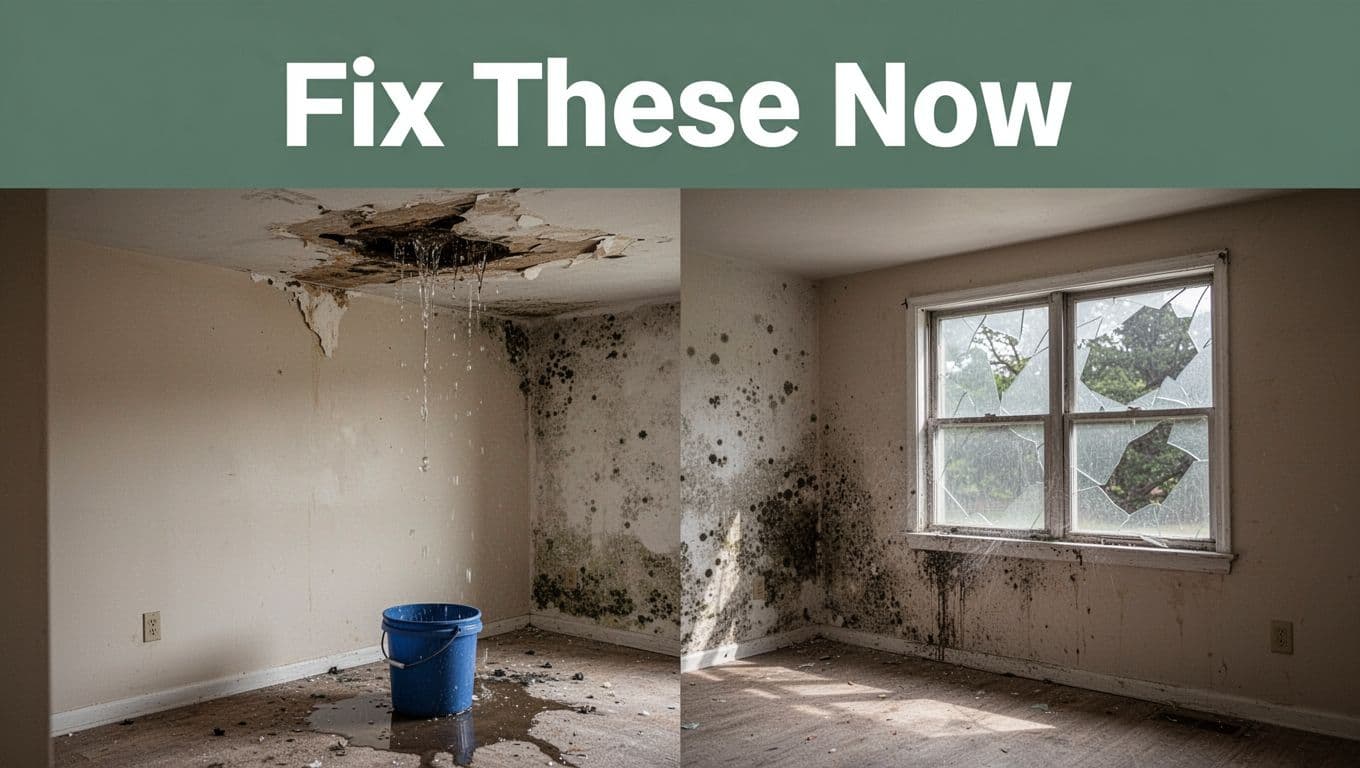
Minor problems differ. A dripping faucet or peeling paint (no lead) waits longer. Tenant-caused clogs? You plunge first. Still, report them in writing to avoid escalation.
See a complete 50-state guide to habitability laws for your area.
How 2026 Laws Make Repairs Happen Faster
States push faster fixes now. California requires landlords to repair stoves or fridges in 30 days starting January 2026. Texas gives 7 days after notice. Courts in big cities cut “reasonable time” to 7 days for mold over 10 square feet.
Emergencies still demand 24-72 hours nationwide. No heat in winter? Act starts right away. Regular issues like leaks get 7-30 days, but updates tighten that.
| Issue Type | Typical Timeline | If Delayed |
|---|---|---|
| Emergency (no heat, floods) | 24-48 hours | Withhold rent or deduct costs |
| Regular (appliance, drip) | 7-30 days | Send notice, then sue |
These changes protect you better. However, no big federal shift happened. Always look up your state’s repair timelines or local housing site. Send certified mail notices to start the clock.
In short, know these rules. They stop delays and keep you safe.
Document the Issue and Notify Your Landlord in Writing
You need solid proof before anything else. Verbal chats with your landlord vanish fast; they create no trail for courts or disputes. Written records and photos build your case, start the legal clock, and show you acted first. Always skip phone calls alone. Instead, gather evidence right away, then send a clear notice. This protects you from blame or eviction tries. Most states require written notice before you withhold rent or sue, so do it right.
Smart Ways to Gather Proof That Stands Up
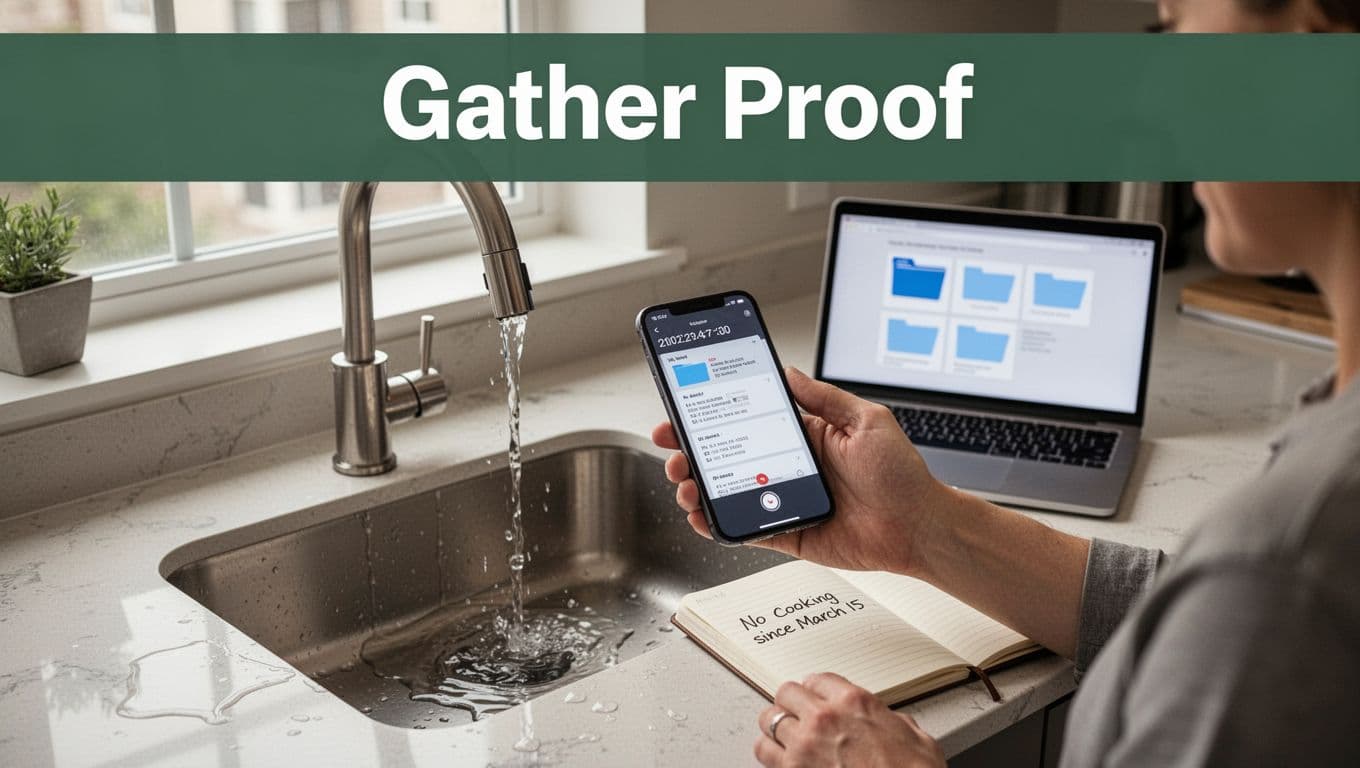
Start strong by dating every detail. Take photos and videos of the problem from multiple angles. Show damage close-up and wide shots. Use your phone’s timestamp feature; it proves when issues began. Note daily hits too, like “no hot water since March 10, so I can’t cook or shower properly.” Log these in a notebook or app.
Save all past talks. Screenshot texts, emails, or voicemails. Print them if needed. Organize into folders: one for “Photos,” another for “Logs,” and “Communications.” Digital works best; back up to cloud storage.
Follow these steps for proof that holds:
- Snap dated pics/videos daily until fixed.
- Write impacts: health risks, extra costs, lost sleep.
- File everything by date in labeled folders.
This method turns complaints into evidence. Courts love it. Check a tenant evidence checklist for more tips tailored to your state.
Craft a Repair Request They Can’t Ignore
Pick reliable ways: email, text, certified mail, or tenant portal. Certified mail proves delivery best. Email leaves a trail too. Keep copies of everything sent and received.
Use a polite but firm tone. List the exact problem, start date, impacts, and a deadline based on severity: 24-48 hours for emergencies like no heat, 7-14 days otherwise. Ask for repair confirmation.
Here’s a full email sample you can copy:
Subject: Urgent Repair Request for [Your Address] - Leaking Kitchen Faucet

Dear [Landlord's Name],

I live at [Your Full Address]. A leaking kitchen faucet started on March 10. Water pools on the counter daily. I can't use the sink without mess, and it risks floor slips.

Please fix this by March 24 (14 days). Contact me to schedule.

Confirm receipt by reply.

Thanks,
[Your Name]
[Your Phone]
[Your Email]
Send it, then follow up in 3 days if no reply. This builds your record. For more templates, see this sample repair letter.
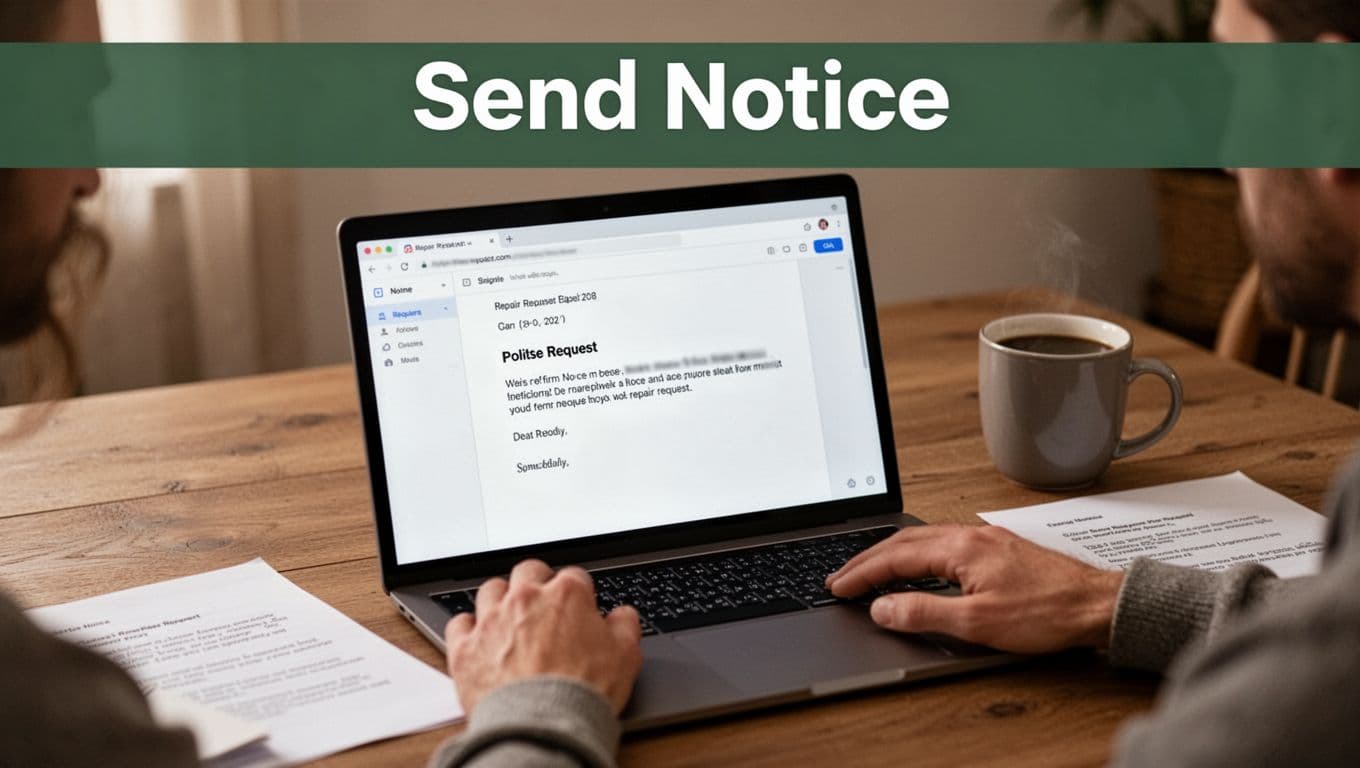
In short, solid docs and notice set you up to win.
Try Safe Self-Help Before Bigger Steps
You’ve documented the problem and sent that written notice. Your landlord still ignores it. Now consider self-help options like repair and deduct or rent withholding. These let you act without a court first. However, they carry risks. Skip steps, and you face eviction. Always check your state’s rules because they differ a lot. For example, California allows repair and deduct for habitability issues after notice. Texas requires a court order instead. Start small to protect yourself.
Repair and Deduct: Do It Right to Save Money
Repair and deduct means you fix the issue yourself, then subtract costs from rent. Use it for serious problems like a broken heater or leaky roof that makes your home unlivable. Don’t try it on minor stuff like a loose doorknob. Most states cap costs at one month’s rent, and you must use pros, not DIY.
First, give your landlord time. Send written notice and wait 14 days or more, depending on urgency. No heat in winter? Shorter wait. Get three repair estimates first. Then hire a licensed pro and keep all receipts. Notify your landlord before deducting; send copies via certified mail.
Here are the key steps to follow:
- Confirm written notice went out and time passed.
- Gather estimates from at least two pros.
- Pay for the fix and save receipts, photos of work.
- Deduct from next rent; attach proof.
- Document everything for your records.
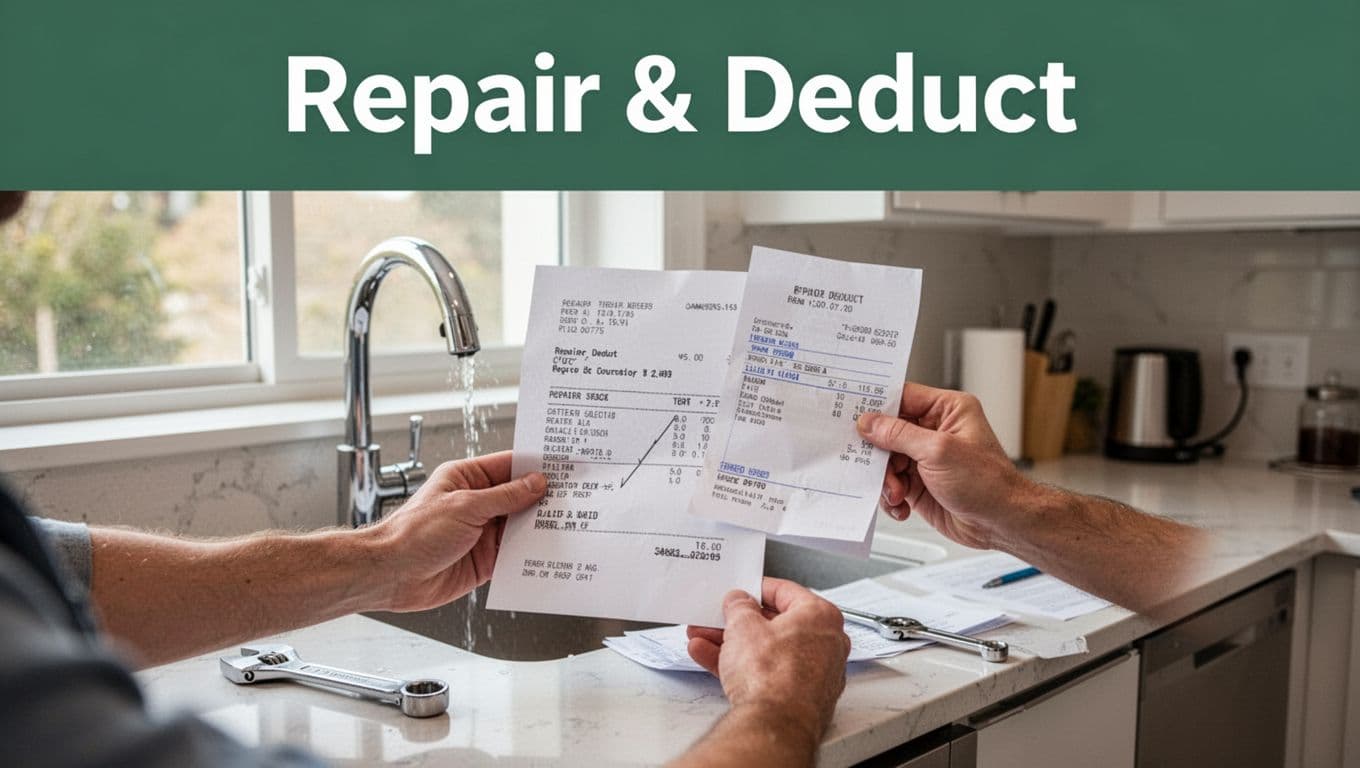
Risks exist. Do it wrong, and your landlord sues for unpaid rent. California updated rules in 2026; now stoves and fridges count as habitability items with 30-day fixes. See tenant repair-and-deduct rights by state for your area. Consult a local tenant group before acting. This saves money but demands precision.
Withhold Rent Without Getting Evicted
Withhold rent when major issues persist, like no hot water or sewage backups. Your home must be truly uninhabitable. Proof matters: photos, logs, and unanswered notices build your case. Many states require escrow. You pay rent into a court or separate account instead of the landlord.
Give notice first. Wait the full period, often 7-30 days. Then withhold only the affected portion if allowed. For example, Florida lets you escrow full rent with the court clerk after 7 days’ notice. New York uses court escrow for heat or water failures. Texas rarely permits it without suing first.
Consider these steps carefully:
- Send final written notice with a clear deadline.
- Deposit rent into escrow or court as required.
- Keep paying monthly until fixed.
- Show proof in court if challenged.
| State | Withhold Allowed? | Escrow Needed? | Key Wait Time |
|---|---|---|---|
| California | Yes, after notice | Sometimes court | 30 days typical |
| Florida | Yes | Court clerk | 7 days |
| New York | Yes | Court | Varies by city |
| Texas | Rarely | Court order | Sue first |
Eviction looms if you skip escrow or lack proof. As a result, call legal aid. In short, escrow protects you while pressuring the landlord to act fast. Check rent withholding rights by state details now.
Call in Inspectors or Take It to Court When Needed
Self-help options failed. Your landlord still drags feet on fixes. Now bring in outside help. Local inspectors or courts step in to force action. These steps pressure landlords fast, often with fines or orders. You stay protected from retaliation in most states. Pick the right path based on your issue.
How Local Authorities Force Repairs
Local agencies handle big problems like mold, pests, or code breaks. First, you notified your landlord in writing. No response? Contact your city’s code enforcement, health department, or housing office. Reports cost nothing. Do it online, by phone, or in person. For example, dial 311 in many cities or search “[your city] code enforcement.”
Inspectors arrive soon after. They check your place, document violations, and cite the landlord. Outcomes include repair orders, daily fines up to hundreds of dollars, or even vacate notices if unsafe. Health departments focus on mold or pests; they test air or exterminate at landlord expense.
Follow these steps to start:
- Gather your proof: photos, notice copies, logs.
- File the complaint; give access for inspection.
- Follow up weekly until fixed.
In Los Angeles, call 866-557-7368 for apartments. New York uses 311 for Housing Preservation. Texas counties have health depts for pests. California tightened rules in 2026 for quicker enforcement. As a result, landlords fix fast to dodge penalties.
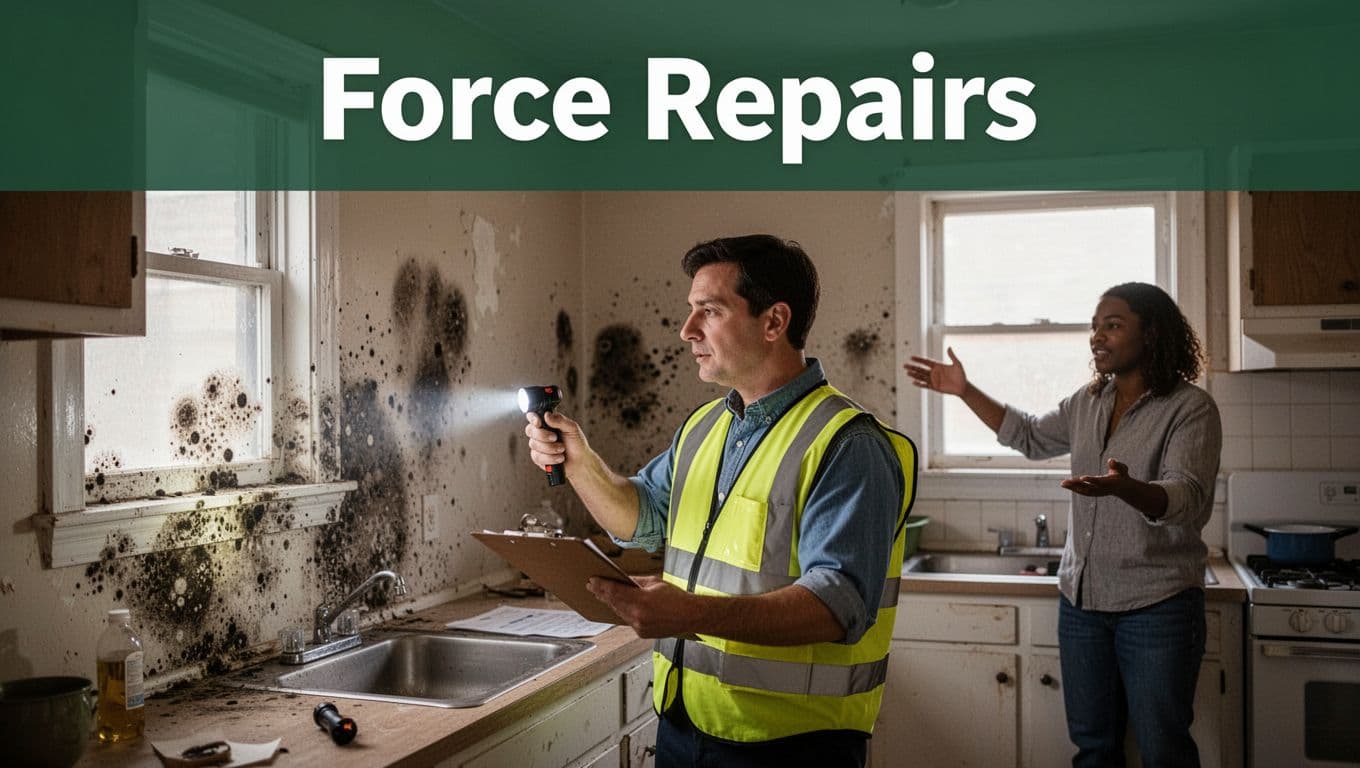
See details on filing habitability complaints. Inspectors turn your complaints into real change.
Your Path to Free or Cheap Legal Help
Small claims court works great for repair fights. No lawyer needed. Most states cap claims at $5,000 to $10,000. Sue for rent reductions, medical bills from mold, or moving costs. File fees run $30 to $100.
Send a demand letter first. List damages and give 14-30 days. No pay? Head to court. Fill forms, pay fee, get a hearing date. Judges decide quick, often in weeks. You win; they order payment.
| State | Max Amount |
|---|---|
| California | $10,000 |
| New York | $50,000 |
| Texas | $10,000 |
| Florida | $8,000 |
Free aid abounds. Search “legal aid tenants [your state]” or call 211. Groups like Legal Services Corporation offer help; check their find legal help tool. Tenant unions give forms and advice. In short, you fight back without big costs.
Shield Yourself from Retaliation and Stay Organized
You followed the steps, but now your landlord fights back. Don’t panic. Federal and state laws ban retaliation for requesting repairs or reporting issues. For example, California strengthened rules in 2026 against evictions or fee hikes after complaints. So spot it fast, fight it, and keep records tight. This shields you and builds your case.
Spot Retaliation and Know Your Next Moves
Landlords break the law with quick punishments. Common illegal acts include rent hikes, eviction notices, or cutting services like parking or laundry. Threats count too. In New York, they can’t act within months of your complaint.
Act right away if it happens. Sue for damages in small claims court. Or break your lease without penalty in many states. First, send a written warning citing the law. Then contact legal aid. Check state retaliation protections for details.
Keep Records That Win Disputes
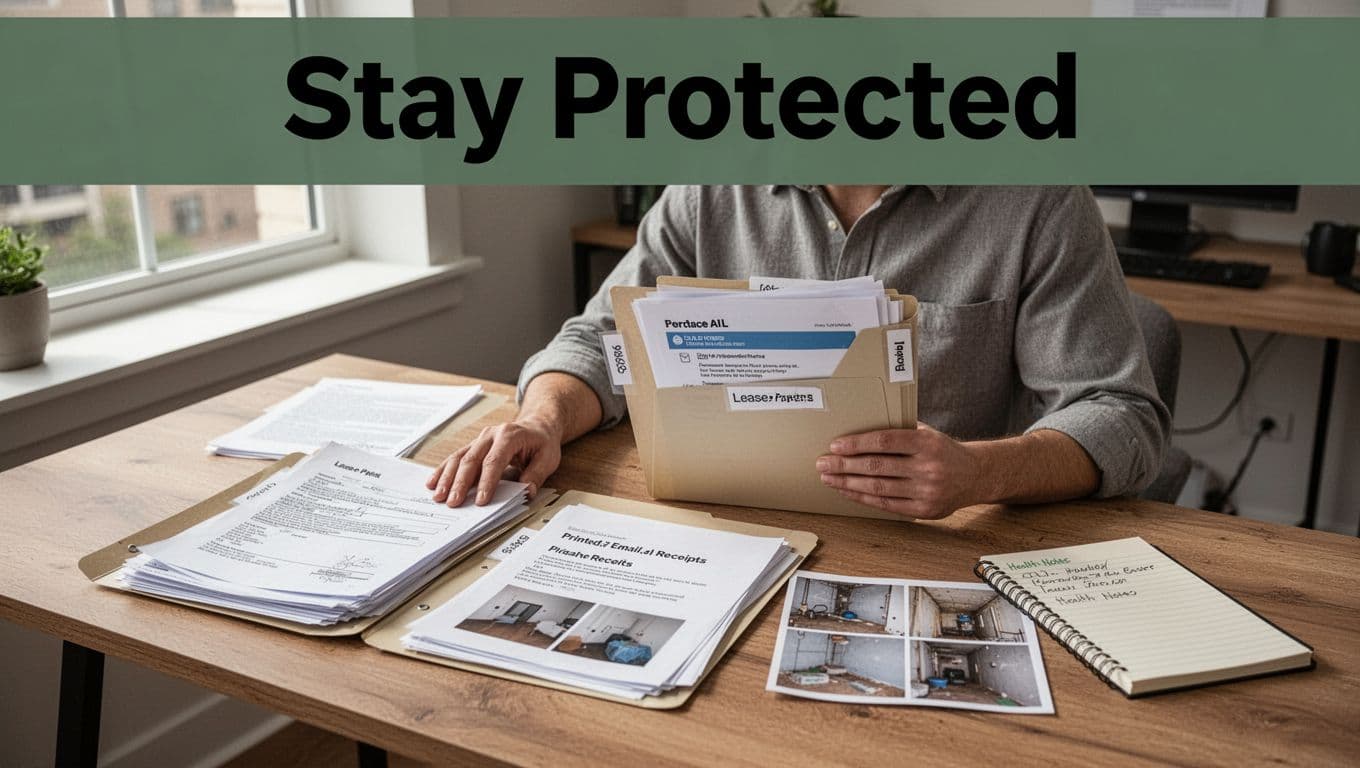
Records prove everything. Store your lease, all communications, photos, receipts, and health notes in one spot. Use folders: digital on your phone or cloud, plus printed backups.
Date every item. Note costs like hotel stays from leaks. Log talks with dates and summaries. This crushes denials later.
Here is how to organize:
- Digital folder: Scan lease, save emails/texts.
- Photo file: Timestamp damage and fixes.
- Expense log: Track out-of-pocket costs.
- Health notes: Doctor visits from mold.
Backup weekly. Share copies with a trusted friend. See tips for documenting issues for more.
In short, stay organized. Act fast on retaliation. Know your state laws. If it’s bad, consider moving after notice. These habits keep you safe.
Conclusion
You know your rights under habitability laws. First, document issues and send written notice. Then try self-help like repair-and-deduct. Next, call inspectors or go to court if needed. Finally, watch for retaliation and stay organized, as covered in Shield Yourself from Retaliation and Stay Organized.
These steps let you fix problems safely without eviction risks. Landlords must act on major issues like no heat or leaks, especially with tighter 2026 timelines in states like California and New York.
Check your state’s laws today at sites like the 50-state habitability guide. Share your story in the comments below. Bookmark this for friends facing the same winter chill from broken heat.
A safe, comfortable home waits when you act now.