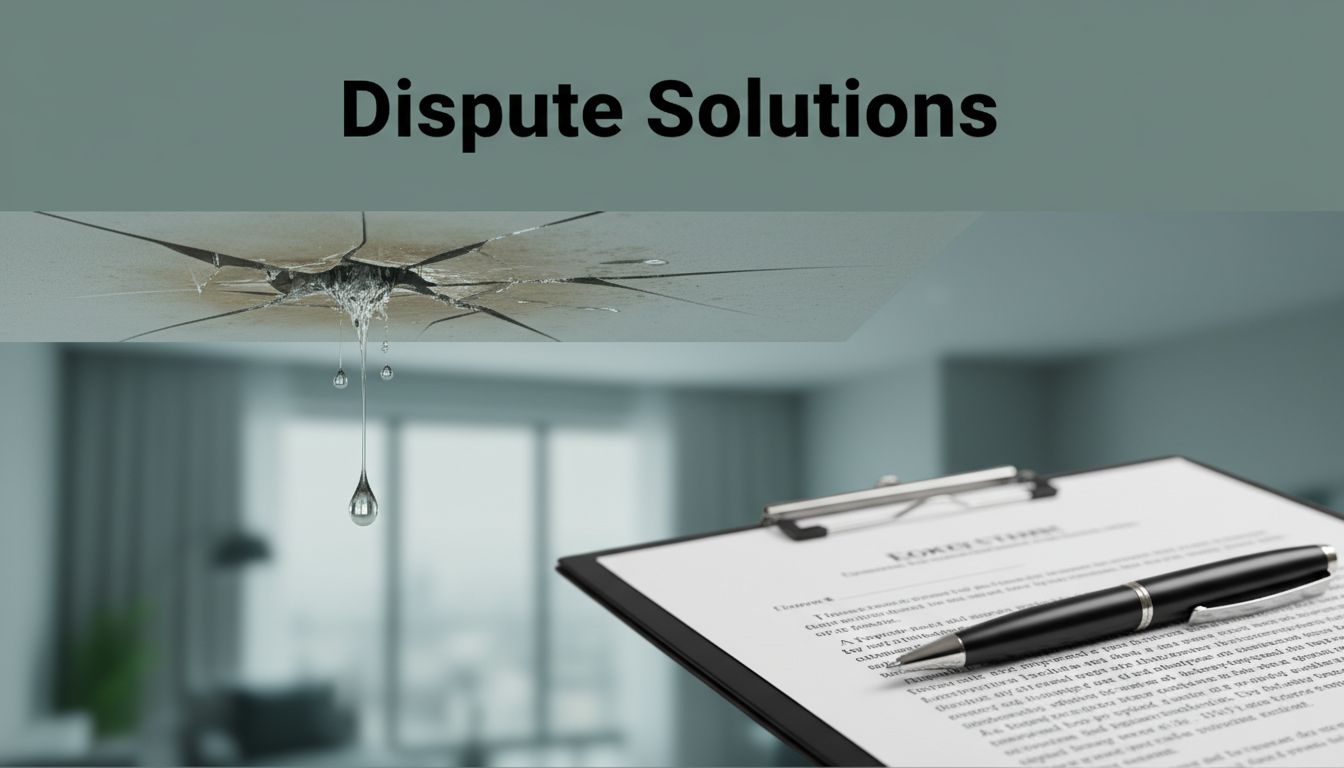
Picture this: water drips from your ceiling for weeks, but your landlord ignores your calls. Or you fall behind on rent, and suddenly eviction papers arrive. These scenarios frustrate millions of renters and owners across the US right now.
High housing costs fuel most tenant-landlord disputes in 2026. Rental debt tops the list, with evictions rising in tracked cities. Yet, data shows talks resolve about 80% of issues before court. You can fix problems peacefully if you act smart.
This guide covers spotting common clashes, starting calm conversations, legal steps if needed, and prevention habits. You’ll gain tools to handle disputes confidently and keep your home stable.
Spot the Top Landlord-Tenant Clashes That Spark Trouble
Disputes pop up often between tenants and landlords. Unpaid rent leads the pack because costs stay high. Repairs lag next, followed by deposit battles and lease breaks. Spot your issue early to pick the right fix.
Recent tracking from Eviction Lab’s system shows filings climb monthly in major spots. Know these signs, and you stay ahead.
Unpaid Rent and Eviction Fears
Rent delays trigger quick notices. States give 3 to 30 days before eviction starts. Tenants often fight back with habitability claims, like no heat.
In March 2026, courts upheld HUD’s 30-day notice rule. Landlords must itemize debts and allow payoff time. Some states now push payment plans first. Watch for a pay-or-quit letter; it signals trouble ahead.
Repairs Gone Wrong and Habitability Headaches
Leaky roofs, broken heaters, or pests count as big issues. Landlords must fix them fast under state laws. Tenants can withhold rent after notice, but only in bad cases.
Document every call or email first. Severe problems let you break the lease safely. Ignore this, and courts side against you.
Security Deposits and Move-Out Mix-Ups
Fights erupt over damages versus normal wear. Landlords keep funds for holes or stains; tear on carpets stays yours. States require returns in 14 to 30 days.
Take photos at move-in and move-out. This proves your case. Common mix-ups include cleaning fees not listed in the lease.
Talk It Out First: Peaceful Ways to Fix Disputes Without Drama
Most clashes end with a simple chat. Start calm, listen well, and agree on next steps. Emails back up your words for records.
This approach works because emotions cool down. It saves court fees too. Free local resources help both sides.
For example, a tenant emails about a leak. The landlord schedules a plumber. Problem solved in days.
Master the Calm Conversation Script
Pick a quiet time to talk or call. Stay factual and polite.
Try this for tenants: “I’ve noticed the heater fails at night. Can you check it by Friday?” Landlords might say: “Rent’s late by two weeks. Let’s set a payment plan starting tomorrow.”
Listen actively. Repeat their point back: “So you need the full amount by month end?” This builds trust fast.
Try Mediation for a Neutral Referee
Mediation brings in a free or low-cost expert. They guide talks without picking sides. Sessions happen in person or online, often in one go.
Cities offer these services widely. Groups like community action centers host them. Results stick better than orders from judges.
Check your area for options; they resolve rent plans or repair timelines smoothly.

Pull Out the Legal Playbook When Talks Fail
If chats stall, follow strict steps. Send written notices first. Then consider mediation again or court.
Courts favor proof over stories. Losers often pay fees, so weigh costs. Legal aid helps low-income folks.
Tenants defend with repair logs; landlords show lease copies. 2026 rules ban self-help evictions like lock changes.
Separate paths exist for each side. Tenants check HUD’s tenant page for basics.
Key Notices and Timelines You Can’t Ignore
Notices vary by state and issue. Pay rent or quit gives days to catch up. Fix-or-quit demands repairs in 24 to 10 days.
Always send certified mail. Keep copies. Miss a deadline, and you lose ground.
For example, California needs three days for rent; New York offers 14. Research your spot.
Your Rights in Court and Smart Defenses
Gather receipts, photos, and emails. Tenants claim illegal rent hikes or unlivable conditions. Landlords prove violations like extra pets.
Just-cause rules in cities protect against no-reason boots. Appeals exist but drag on. Free clinics prep you.
Get a lawyer early; many offer consults.
Stop Disputes Before They Start with These Easy Habits
Prevention beats fixes every time. Tenants, read the lease line by line. Set auto-pay for rent. Snap photos of the unit on day one.
Screen landlords online for reviews. Report issues right away in writing.
Landlords, vet tenants with checks. Answer requests within days. Build rapport with check-ins.
Good relations from move-in cut clashes. In 2026, apps track maintenance easy. Habits like these keep peace.
Key Takeaways for Smooth Sailing
Talk first, document always, and know your state’s rules. Most tenant-landlord disputes wrap up amicably with these steps.
You hold power to resolve issues without stress. Prevention habits seal the deal long-term.
Share your story in comments below. Bookmark this for next time. Visit HUD resources or your state housing site for local laws. Act now; stable housing waits.