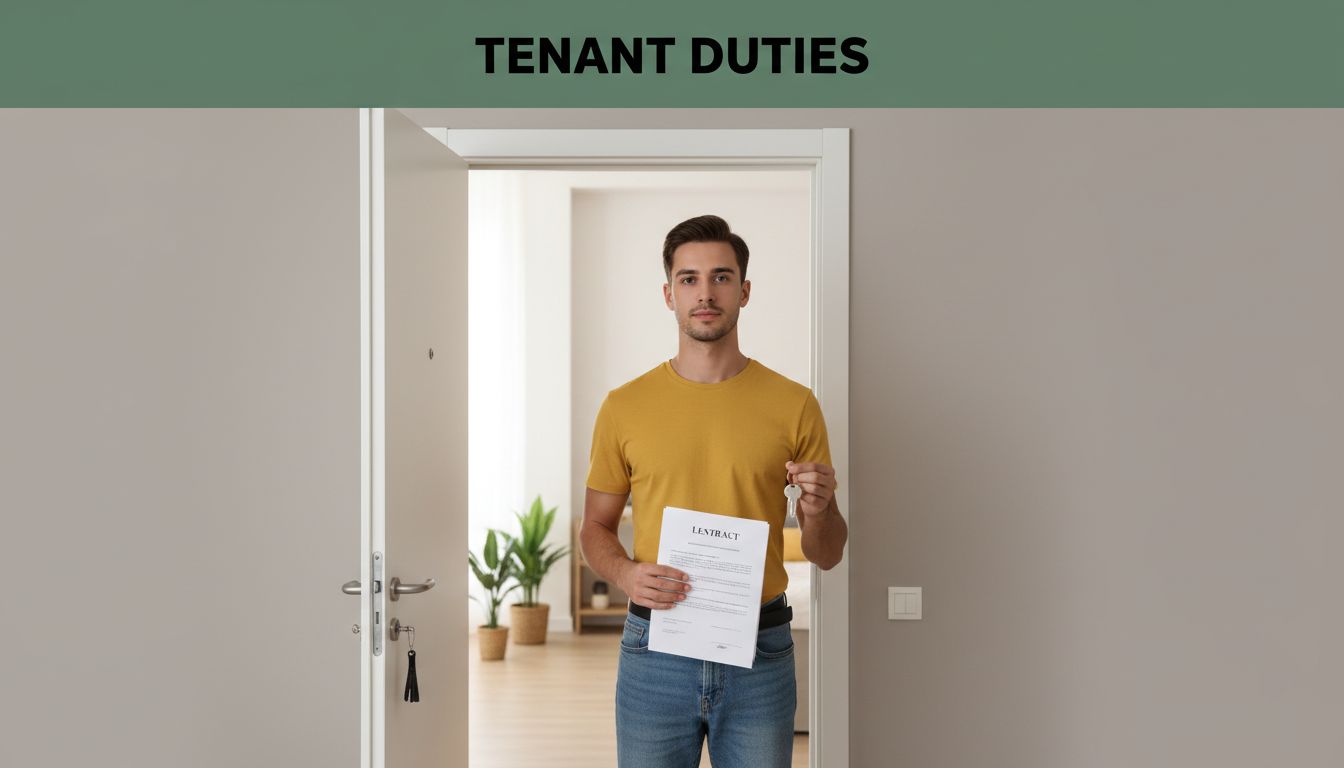
Imagine signing your lease with excitement, only to face an eviction notice months later over a forgotten repair report. That small oversight turned into big trouble. Many renters overlook their renter responsibilities to landlords, leading to fees, disputes, or worse.
You share a contract with your landlord. Both sides have duties. Yours include paying rent on time, sticking to lease rules, keeping the place clean, allowing access, and following local laws. These steps build trust and protect your deposit. Rules differ by state, but basics apply nationwide.
This guide covers tenant duties clearly. You’ll get practical tips to avoid pitfalls. Let’s start with the most critical one.
Paying Rent on Time to Stay in Good Standing
Timely rent tops every lease. Your landlord counts on it for mortgage and upkeep. Late payments trigger fees or eviction starts. State laws back this; most require payment by the first.
Grace periods help, often five days. After that, fees kick in. For example, a $1,800 rent might add $50 on day six, then $5 daily. Check your lease; it spells out terms.
Consequences escalate fast. One late month leads to notices. Three? Court possible. In 2026, digital tools cut disputes. Set reminders or auto-pay to stay ahead.
Handle partial payments carefully. Talk first; don’t assume okay. Disputes? Document everything politely.
Understanding Due Dates, Grace Periods, and Fees
Rent due dates hit the first or fifth usually. Leases specify. A five-day grace means no fee until day six.
Fees vary. Some charge flat $75. Others, 5% of rent. States cap them; California limits to 5%. Always read your agreement closely.
For details on renter rights across US states, see this overview. It highlights variations.
Smart Ways to Pay and Avoid Mix-Ups
Choose reliable methods. Checks work but risk mail loss. Bank transfers shine; 58% of renters use ACH for auto pulls.
Apps like Venmo suit small landlords, yet lack tracking. Better: dedicated tools. In March 2026, “rent now, pay later” grows. Services like Flex let you split payments, though fees add up, around $15 monthly plus 1%.
One renter forgot a check. Auto-pay fixed it forever. Test new methods first.
Following Your Lease Rules to the Letter
Your lease sets the rules. It bans pets, limits noise, caps guests. Break them, face warnings or eviction. Compliance keeps peace.
Review yearly. Changes happen. Common slips: unapproved sublets or parties. One tenant lost a pet deposit over a hidden cat.
Follow to protect your home. Landlords enforce for all tenants’ sake.
Common Rules on Pets, Noise, and Guests
No-pets clauses bind tight. Ask for written okay first. Noise curfews run 10 p.m. to 7 a.m. Guests? Overnight limits, often two weeks max yearly.
Violations draw notices. Quiet hours prevent neighbor fights. Get pet approval in writing always.
Occupancy Limits and Allowed Uses
Two per bedroom typical. Families get leeway under law. No home businesses; they raise insurance.
Use for living only. No storage or parties that damage. Lease guides it all.
Maintaining Your Rental and Reporting Issues Fast
Keep it clean and report problems quick. You handle minor fixes like bulbs. Landlords fix majors like plumbing.
Prompt reports stop small issues growing. Apps speed this in 2026. Delays cost your deposit.
Normal wear? Okay. Damage? Your bill. Clean habits pay off.

A tidy kitchen shows daily care renters provide.
For more on rental property maintenance duties, check this resource.
Daily Habits for Cleanliness and Minor Care
Trash out weekly. Change air filters monthly. Yard work if required.
Mats at doors cut wear. Vacuum often. These prevent deposit hits.
Spotting and Reporting Problems Right Away
Watch for leaks, cracks, mold. Text or email fast: “Sink drips in kitchen. Can you check?”
Quick action saves money. One unreported leak flooded a unit.
Avoiding Damage That Costs Your Deposit
Patch nail holes. No big alterations. Willful harm, like smashed doors, deducts full cost.
Normal wear, like faded paint, stays yours not.
Allowing Landlord Access Without Drama
Landlords enter for repairs or checks. Give access with notice. It builds trust.
Emergencies skip notice: fires, floods. Otherwise, wait times apply.
Prep the space. Stay calm.
What Counts as Proper Notice
Most states need 24-48 hours written. Email or door note works. Daytime only, reasonable hours.
See landlord entry laws by state for your area.
Your rights matter too. Deny unreasonable times.
Preparing for Visits and What to Expect
Tidy up. Secure valuables. Visits last 30 minutes usually.
Accompany if worried. Most go smooth.
Handling Utilities, Bills, and Local Rules
Pay your utilities per lease. Follow HOA or city rules on trash, parking.
Get renters insurance; market hits $107 billion in 2026. Covers your stuff, liability.
Local laws bind all.
Which Utilities Are Your Responsibility
Lease lists: electric, gas often yours. Landlord pays water sometimes.
Transfer accounts day one. Avoid shutoffs.
Sticking to Trash, Parking, and Safety Laws
Recycle right. No blocking spots. Test smoke alarms monthly.
Fines hit if ignored. 2026 laws add habitability rules, like working stoves in California.
Renter duties matter now more than ever. Pay rent promptly, honor the lease, maintain well, allow access, mind rules. Open talks prevent most issues.
Check your state laws or HUD resources. Review that lease today. Share these tips; help a friend rent stress-free.