Picture this: You spot a great apartment with space for your family. Excitement builds until the landlord hears about your two young kids and suddenly says it’s not available. Or maybe rain drips from a leaky roof for weeks, and your pleas go unanswered.
Situations like these happen too often to renters. That’s why understanding tenant rights in a rental property keeps you safe, protects your money, and ensures fair treatment. Federal laws set the baseline across the US, like the Fair Housing Act that bans discrimination based on family status, race, disability, or other protected traits. However, rules vary by state, so always check your local laws too.
In addition, habitability standards require landlords to fix essentials like plumbing and heat. Security deposits come with strict return rules, often capped at one month’s rent in places like California. Eviction safeguards demand just cause and proper notice, while privacy rules limit unannounced entries.
For example, California’s 2026 updates strengthen renter protections even more. New defenses cover delayed Social Security payments (AB 246), opting out of forced services like internet (AB 1414), and mandatory working appliances (AB 628). These changes help you fight back against unfair practices.
Most importantly, we’ll break down discrimination protections, habitability standards, security deposits, eviction safeguards, privacy rules, and those fresh 2026 updates. By the end, you’ll feel confident standing up for yourself and knowing exactly what you’re entitled to. Let’s dive into discrimination first, so you spot it early and act.
Can Landlords Refuse You Based on Race, Family, or Disability? Fair Housing Protections
Landlords can’t say no to you because of your race, kids, wheelchair, or other personal traits. The Fair Housing Act renters follow bans that nationwide. This federal law, part of the Civil Rights Act of 1968, protects your tenant rights against discrimination in ads, applications, lease terms, and more. It covers most housing, from apartments to houses. Break a rule, and courts hit hard with fines or changes. Recent cases show tenants winning big. For instance, in 2025, a Black tenant in New Jersey got $20,000 after her landlord evicted her for race bias and a disability request. So, know your shields. Spot issues fast. Report to HUD right away.
Protected Classes Every Renter Should Know
You deserve equal shots at rentals. The Fair Housing Act lists seven protected classes. Landlords must treat everyone the same in screening, pricing, or rules. This applies from your first inquiry to move-out. Here they are, with quick examples:
- Race or color: No denying Black families better units while offering whites the gems.
- National origin: Can’t refuse someone from Mexico with excuses about “cultural fit.”
- Religion: A Muslim tenant gets the same tour as a Christian one, no questions on prayer space.
- Sex: Single moms or pregnant women face no extra hurdles or higher deposits.
- Familial status: No “no kids” rules. Families with children under 18 stay safe from pool bans or adult-only claims.
- Disability: Landlords approve service animals or ramps without pushback.
- Retaliation: Punish someone for past complaints? That’s illegal too.
These rules bind most rentals. Courts enforce them strictly now. Take the 2025 Greenbriar case in Florida. Tenants won policy fixes after disability denials. Or Woodlands in Georgia, where a court ordered ground-floor moves for disabled renters. Wins like these push landlords to comply. Check HUD’s Fair Housing overview for full details.
Signs of Discrimination and How to Spot Them
Discrimination hides in small acts. You apply. They ghost you. Or steer you to rundown spots. Watch for different treatment. That’s the test: Would they act this way with someone outside your class? Subtle clues pop up often.
Landlords might quote sky-high rents to families but lowball singles. Or claim “no pets” to block your emotional support dog. Excuses like “unit’s taken” vanish when a friend without kids calls. Steering happens too. They push minorities to back buildings with thin walls.
Real example: A family inquires. Landlord says upper floors are noisy for kids. Yet, childless couples hear “great views.” Another: Disabled applicant requests a grab bar. Response? Sudden denial over credit, despite approval before.
These patterns prove bias. Courts use them in cases. Keep records: emails, notes, call logs. Compare treatments. If it smells off, trust your gut. HUD investigates these fast. Save steps for later, but know your rights hold strong.
Does Your Rental Need to Be Safe and Livable? Habitability Rights
Your rental must stay safe and livable. That’s the core of the implied warranty of habitability. Almost every state requires landlords to provide a habitable rental property with working heat, plumbing, no major mold or pests, and sturdy structures. They fix problems fast, or you gain rights like rent withholding. Federal baselines apply too, but states add details. For example, California ramps up rules in 2026 with stricter mold and lead disclosures. Imagine freezing winters without heat, or black mold triggering allergies. These aren’t minor gripes. They breach your tenant right to repairs. Landlords can’t ignore them.
Key Problems Landlords Must Fix Right Away
Certain issues turn homes unlivable right now. Landlords must act fast on these habitability breaches. They endanger health and safety. Here’s what qualifies as urgent, based on common standards:
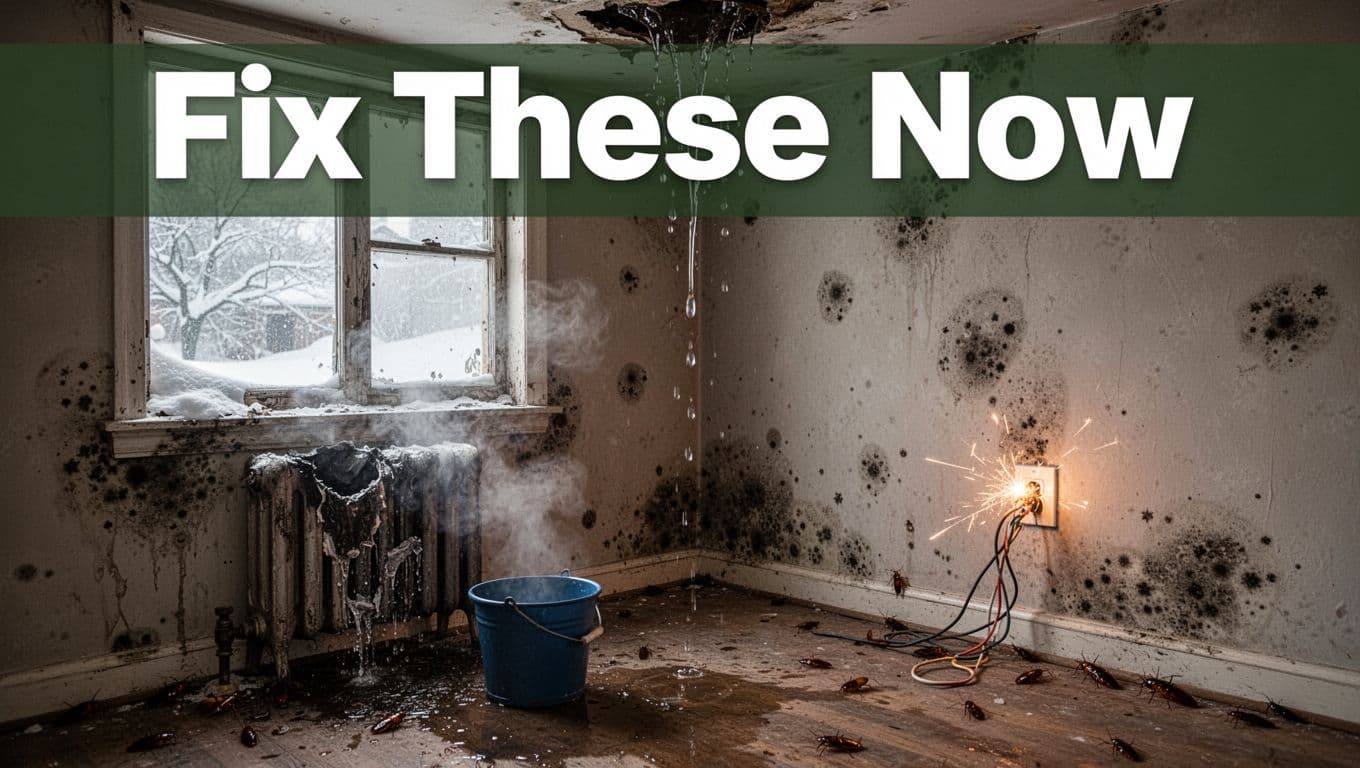
- Broken heat in winter: No working furnace means freezing rooms below 68 degrees. You risk hypothermia, especially kids or elders. States like New York demand heat by law.
- Leaks and water damage: Dripping ceilings soak floors and walls. They breed bacteria and weaken structures, leading to collapses.
- Mold growth: Black patches from dampness release toxins. Breathing them causes coughs, asthma attacks, or worse. California’s 2026 rules force disclosures if mold exceeds safe levels (Health & Safety Code §26147).
- Electrical hazards: Exposed wires spark fires. Faulty outlets shock users. One frayed cord could burn the place down.
- Pest infestations: Roaches or rats carry diseases. They chew wires and contaminate food, making kitchens unusable.
Minor stuff like a squeaky door waits. But these demand quick fixes because they threaten life. Check habitability standards overview for your state. Document everything with photos.
Your Options If Repairs Drag On
Landlord ignores your calls? Take control step by step. First, notify in writing. Certified mail proves you tried. Give reasonable time, often 30 days, but less for emergencies like no heat.
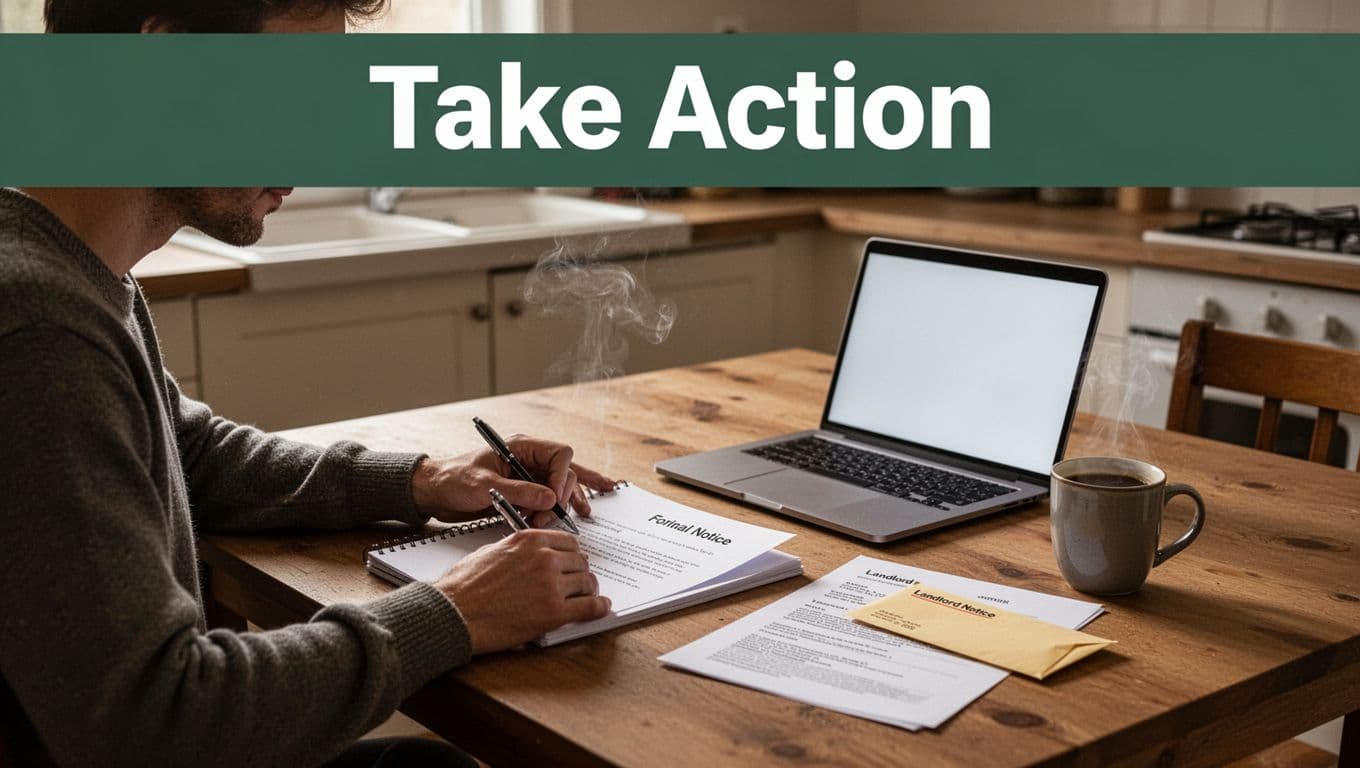
Next, consider remedies. Withhold rent into escrow until fixed, but only for big issues. Or repair-and-deduct: Pay for fixes yourself, subtract from rent (limits apply, like one month’s rent yearly in California). Sue in small claims for extremes. Rules vary by state, so confirm locally.
In California, 2026 updates clarify mold fixes post-disasters (SB 610). No rent during unsafe evacuations. Lead disclosures stay federal for pre-1978 buildings. Always get free legal aid from tenant groups. They guide you safely. Act now, and reclaim your safe home.
How Much Can Landlords Hold for Security Deposits? Get Your Money Back
Landlords collect security deposits to cover real damage or unpaid rent. However, they can’t keep your money for normal wear from daily life. Federal law sets no caps or timelines, so states control the rules. Most limit deposits to one or two months’ rent. For example, California caps at one month’s rent since 2024, with small landlords allowed up to two. Check your state’s limits to avoid surprises. These security deposit rights for tenants protect your cash, but you must know the details.
Limits on How Much They Can Charge
States set clear maximums. Twenty-four have no cap, yet most others stick to one month’s rent. California tightened rules in 2024, now one month for all units. Small owners with two properties or fewer can charge two months still. Other spots like New York or Illinois follow suit at one to two months.
Here’s a quick view of select state caps in months of rent:
| State | Max Deposit |
|---|---|
| California | 1 |
| New York | 1 |
| Florida | No limit |
| Texas | No limit |
| Massachusetts | 1 |
See a full state-by-state chart for yours. Landlords must return most of it if you leave the place clean.
Return Timelines and Required Notices
Landlords must send your deposit back fast, often within 14 to 60 days after you move out. California gives 21 days. They need an itemized list for any deductions, with receipts or photos. Miss the deadline? You win interest or penalties in states like Massachusetts. Few places pay interest, but places like Connecticut require it yearly.
Deductions cover only actual damage beyond wear. Unpaid rent counts too. No list? They owe the full amount.
What Counts as Damage?
Landlords confuse wear with damage often. Normal wear, like faded paint or light carpet scuffs, stays on them. You pay for holes in walls or pet stains.
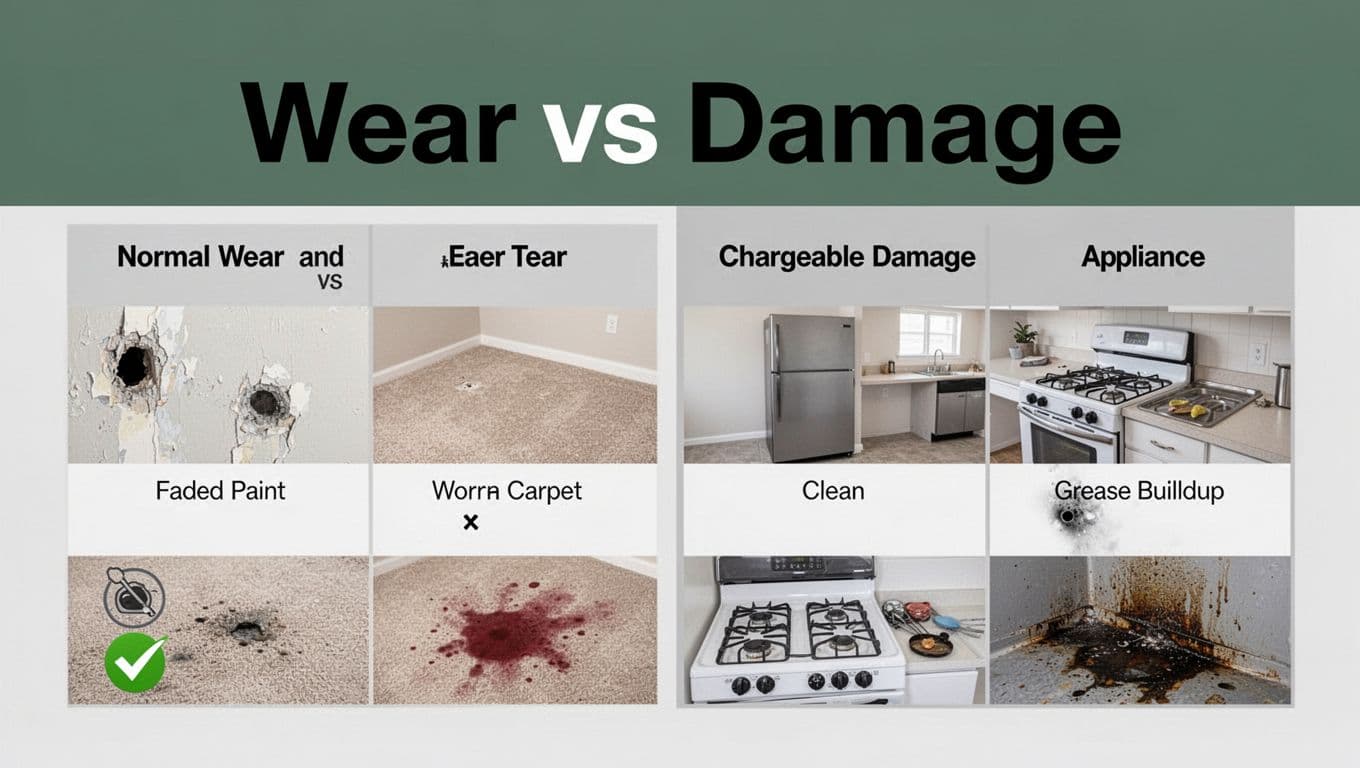
This chart shows the split clearly. They prorate fixes by age, so a five-year-old carpet gets half cost charged if ruined.
Steps to Secure Your Full Refund
Document everything at move-out. Take photos of every room, plus a video walkthrough with your landlord. Request a joint inspection right away.
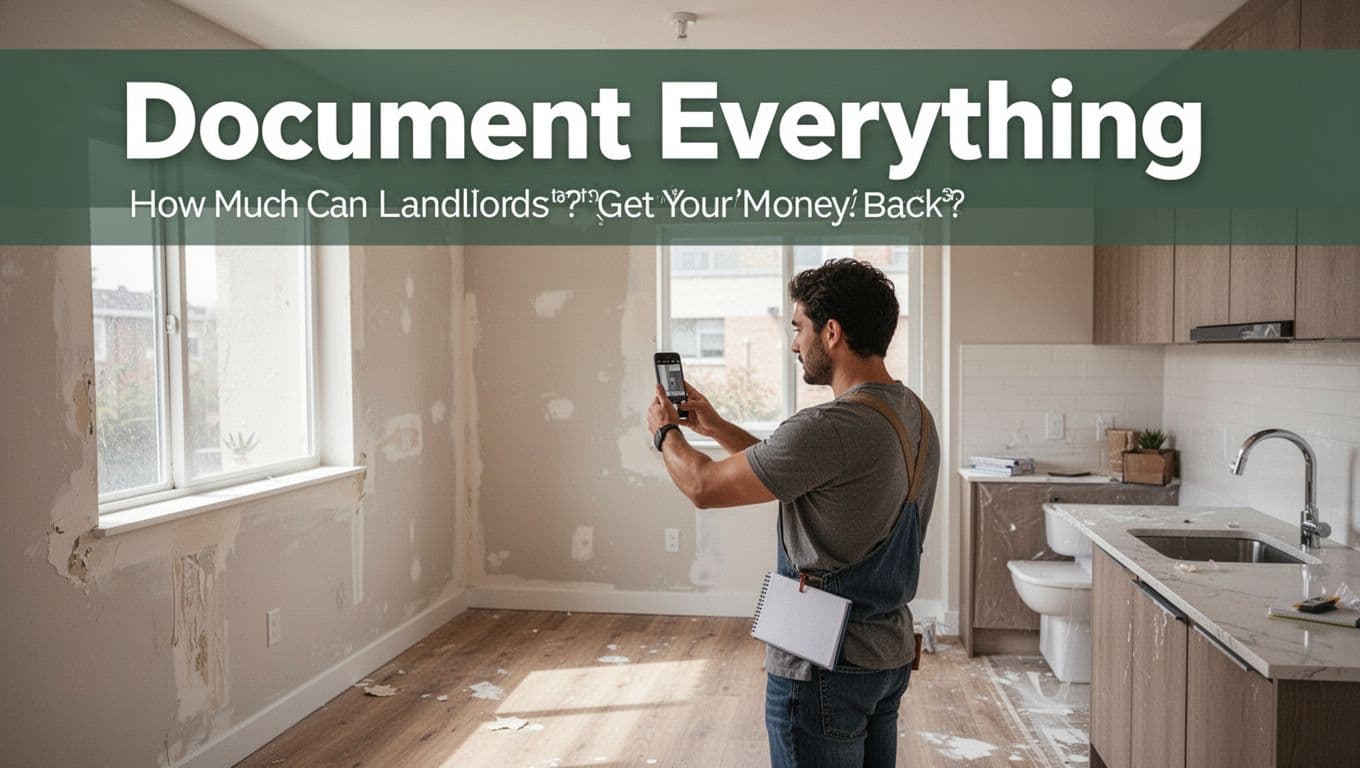
Follow these simple steps:
- Clean thoroughly before photos.
- Note existing issues in writing.
- Keep rent receipts handy.
- Forward your new address for the check.
Disputes go to small claims court if needed. Local tenant groups offer free help. Act quick, and you’ll likely get every dollar back.
Can Your Landlord Evict You Without Good Reason? Key Protections
Landlords need a solid reason to evict you. That’s the heart of tenant eviction rights. Most states demand just cause, so they can’t boot you on a whim. Think unpaid rent, lease breaks, or property damage. Without it, you have strong wrongful eviction protections. Courts step in if they skip steps. No self-help tricks either, like changing locks or shutting off utilities. They must follow the full process, starting with written notice. This keeps things fair. You fight back in court if needed. Recent trends show longer court waits too, giving you more time.
What Makes an Eviction Legal: Just Cause Basics
Evictions stay legal only with clear reasons. Landlords prove their case first. Common causes include non-payment of rent, serious lease violations, or property damage. Illegal activity counts too, like drug use or threats. End of a fixed lease works in some spots, but not everywhere. Check your state rules.
Everything begins with proper notice. They serve it in writing, often by mail or post. You get time to fix issues, like paying back rent. Ignore that? They file in court. Judges decide then. Self-help stays off-limits because it breaks the law. For example, a lock change lets you sue for double damages in many states.
No retaliation either. Complain about repairs? They can’t evict you for it. Courts toss those cases fast. See Just Cause Eviction Requirements by State for your area’s list. Know these basics, and you spot problems early.
Notice Periods and New 2026 Defenses
Notice times vary by reason and state. You often get 3 to 30 days. Non-payment might mean 3 to 14 days. Lease violations take 7 to 30 days. States set the clock. For instance, Massachusetts requires 14 days for unpaid rent.
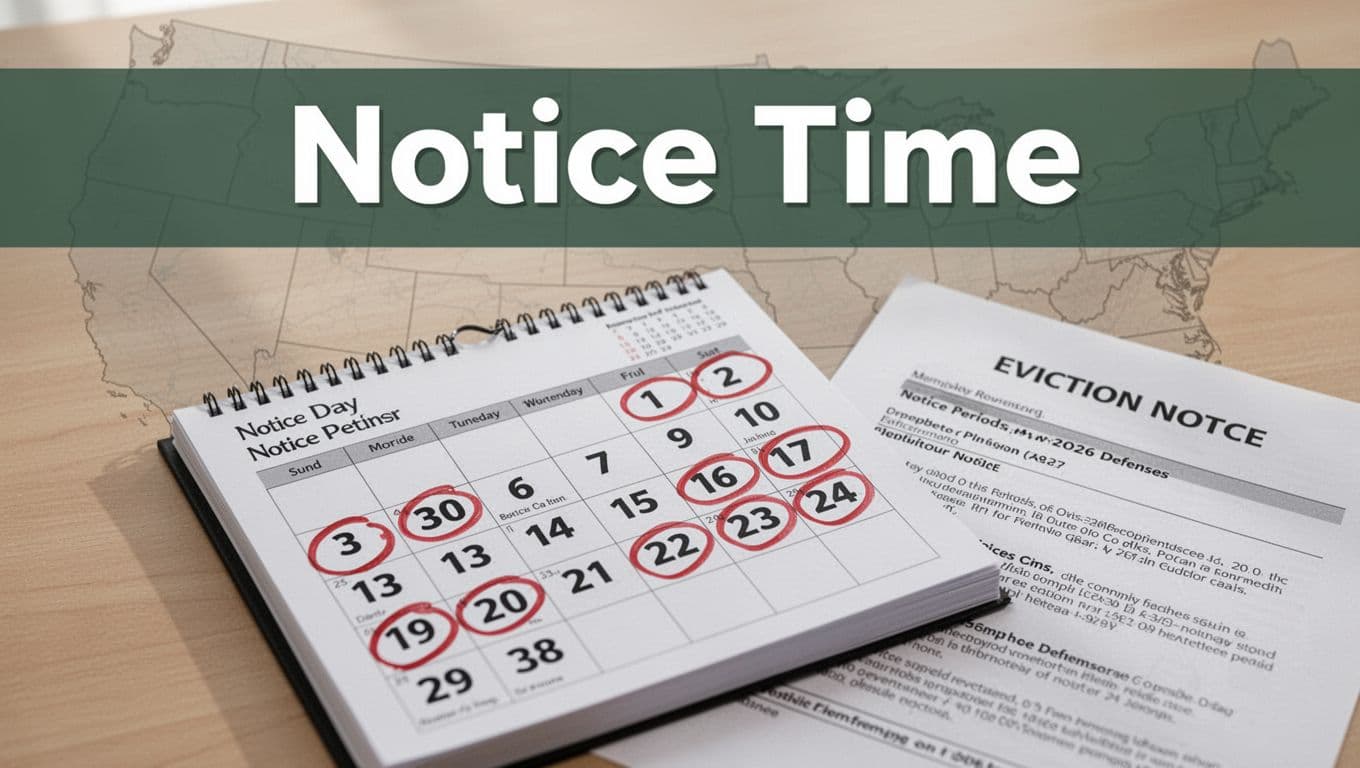
New defenses help in 2026. California’s AB 246 shields you if Social Security delays cause missed rent. Show proof from the government, like delay notices. Courts pause eviction up to six months, or until payments resume. You need a repayment plan too. This stops unfair losses from federal glitches.
Massachusetts trends longer for rent hikes. Month-to-month needs 30 days, but hikes over 10% push to 60 days in some views. Always deliver written details on old rent, new amount, and start date. Invalid notice keeps your rent the same. Local rules add layers, so confirm yours. These steps buy you time to respond.
When Can Landlords Enter Your Rental? Privacy Rights
Your rental is your home. Landlords respect your renter privacy rights under landlord entry laws. They can’t pop in anytime they want. Most states require notice first. This keeps your space private. Emergencies change that rule, however. Know these limits so you stay in control.
Notice Requirements for Entry
Landlords give reasonable notice before non-emergency visits. That means 24 to 48 hours in most places. California sticks to 24 hours written notice. It includes the date, time window, and reason. Massachusetts follows suit with at least 24 hours too.
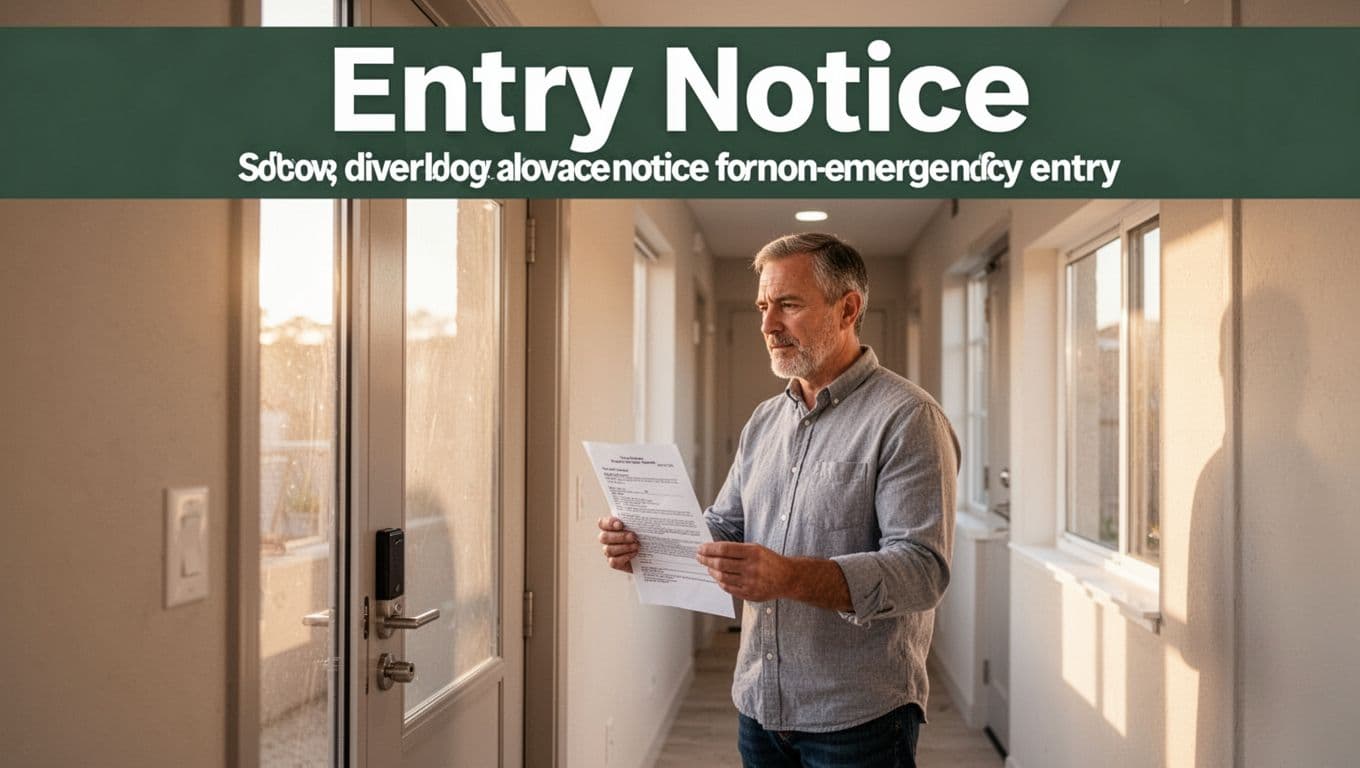
They deliver it by note under the door or mail. Verbal warnings often don’t count. Entry happens during business hours, like 8 a.m. to 5 p.m. weekdays. Check state-by-state entry rules for your area. These steps protect you from surprises.
Reasons Landlords Can Enter
They enter for specific needs only. Repairs top the list, so fix that leak fast. Inspections check for issues. Showings let buyers or new renters view the place near lease end.
In addition, court orders allow access. But casual check-ins? No. Frequent visits without cause break renter privacy rights. Landlords prove a good reason each time.
Emergencies: Enter Anytime
Real dangers skip notice. Think gas leaks, floods, or fires. Health or safety threats count too, like a burst pipe flooding neighbors. Landlords act right away to stop harm.
You cooperate during crises. After, they explain in writing. This balances their duties with your peace.
2026 California Updates and Tips
California clarifies entry in 2026. Tenant cooperation helps, but no unannounced visits. Rules stay firm on 24 hours notice. Massachusetts keeps similar standards.
Set boundaries early. Ask for notice in writing always. Keep a log of visits. If they ignore rules, contact local tenant aid. Your home stays yours first.
How State Laws Add Extra Layers to Federal Rights in 2026
Federal rules give all renters a solid base. States pile on top with tougher protections. California and Massachusetts show this best in 2026. They cap deposits lower, block forced services, and slow evictions. Other spots fight junk fees and push rent limits. You gain more power because states can’t weaken the federal floor. For example, California’s new laws let you opt out of bulk internet deals. Always check your city’s tenant resources for the latest. Trends favor renters with court wins and fee crackdowns.
California’s Latest Wins for Renters
California steps up big in 2026. Landlords must follow fresh rules on payments, services, and appliances. First, AB 246 protects Social Security renters. If delays hit your check through no fault of yours, evictions pause up to 180 days. You repay back rent within 14 days after fixes. This saves homes from government glitches.
Next, AB 1414 kills forced internet or phone bundles. Opt out anytime, even mid-lease. No more paying for services you skip. Landlords can’t count utilities as rent under deposit caps either.
Deposits get easier too with AB 414. Owners return them electronically fast. The one-month cap stays firm. Plus, new leases need working stoves and fridges.

Mold rules build on habitability. Disclose known issues; fix them quick. See this 2026 California rent laws guide for full steps. These changes mean fewer surprises and stronger defenses.
Lessons from Massachusetts and Other States
Massachusetts keeps it simple and strong. Deposits cap at one month’s rent. Landlords pay interest yearly and return funds in 30 days with itemized lists. Rent hikes need 30 days notice. Bigger jumps over 10% spark pushback.
Evictions drag due to court waits. Non-payment takes weeks. No statewide rent control, but cities test ballots for stabilization.
Other states follow suit. New York caps hikes at 3-7%. Junk fees face bans in Minnesota and Nevada. Here’s a quick state snapshot for tenant rights by state 2026:
| State | Deposit Cap | Rent Hike Notice | Key Extra |
|---|---|---|---|
| Massachusetts | 1 month | 30 days | Interest required |
| New York | 1 month | 30-60 days | Rent stabilization |
| California | 1 month | 30 days | SS eviction shield |
| Oregon | No limit | 90 days (raises) | Local rent control |
Check Massachusetts tenant laws overview too. Local groups help you apply these wins. States keep building, so stay updated.
Conclusion
You now know your tenant rights in a rental property. Landlords can’t discriminate based on race or family status. They must keep your home safe from leaks and mold. Plus, they follow rules on deposits, evictions, and entry notices. State extras, like California’s 2026 shields, add even more power.
Document every issue with photos and notes. Check HUD or your state site for local rules. Tenant unions offer free help too. These steps protect you from surprises.
Share your story in the comments below. Have you faced a leaky roof or unfair notice? Bookmark this for quick reference. Consult a lawyer if trouble hits. Informed renters always come out ahead.