You wake up at 2 a.m. to thumping bass from the apartment next door. Your heart races because sleep feels impossible again. Noisy neighbors in rental buildings plague millions of renters each year. This constant racket steals your peace and drains your energy.
Luckily, every renter has a right to quiet enjoyment. Landlords must protect it under your lease. This guide walks you through simple steps. Start with a friendly chat, build solid proof, contact your landlord, and escalate only if needed. You’ll reclaim your calm home fast without big fights.
Understand Your Right to a Peaceful Home
Renters across the US enjoy a basic legal protection called quiet enjoyment. It sits in every lease, even verbal ones. This rule means your landlord must stop other tenants from making excessive noise that ruins your space. Normal sounds like footsteps during the day stay fine. But blaring music or yelling at night crosses the line.
Most buildings set quiet hours from 10 p.m. to 7 a.m. Local laws back this up in cities like New York or Chicago. Check your lease for exact times because they might shift on weekends. In addition, states like Texas sped up evictions for bad tenants in 2026. No major new federal rules changed things this year. Knowing these facts empowers you. You don’t need a lawyer to stand up for your peace.
For more on this protection, see tenant’s right to quiet enjoyment explained.

Spotting What Counts as Excessive Noise
Excessive noise goes beyond everyday life. Blaring music past midnight counts. Constant dog barking wakes everyone. Yelling fights or loud parties disrupt sleep too. In contrast, a TV at normal volume during the day stays okay. Walking in socks rarely bothers anyone.
Ask yourself if the sound stops you from sleeping or working from home. If it lasts over 30 minutes during quiet hours, note it down. Local rules often measure decibels, but you judge by how it affects you. This ties straight to your quiet enjoyment right. Small gripes pass, but patterns demand action.
Quiet hours details vary, but this guide covers typical US apartment rules.
Take Smart First Steps Without Starting a Fight
Start polite because most neighbors fix issues fast. Pick a calm moment, like the next day. Knock gently and smile. Say something simple. This approach works better than anger. Then, document everything right away. A solid record protects you later.
Your lease likely lists noise rules. Read it for ammo. Apps like noise loggers help track details. Notebooks work too. Because proof turns complaints into action, build it from day one. Stay positive. These steps keep drama low.
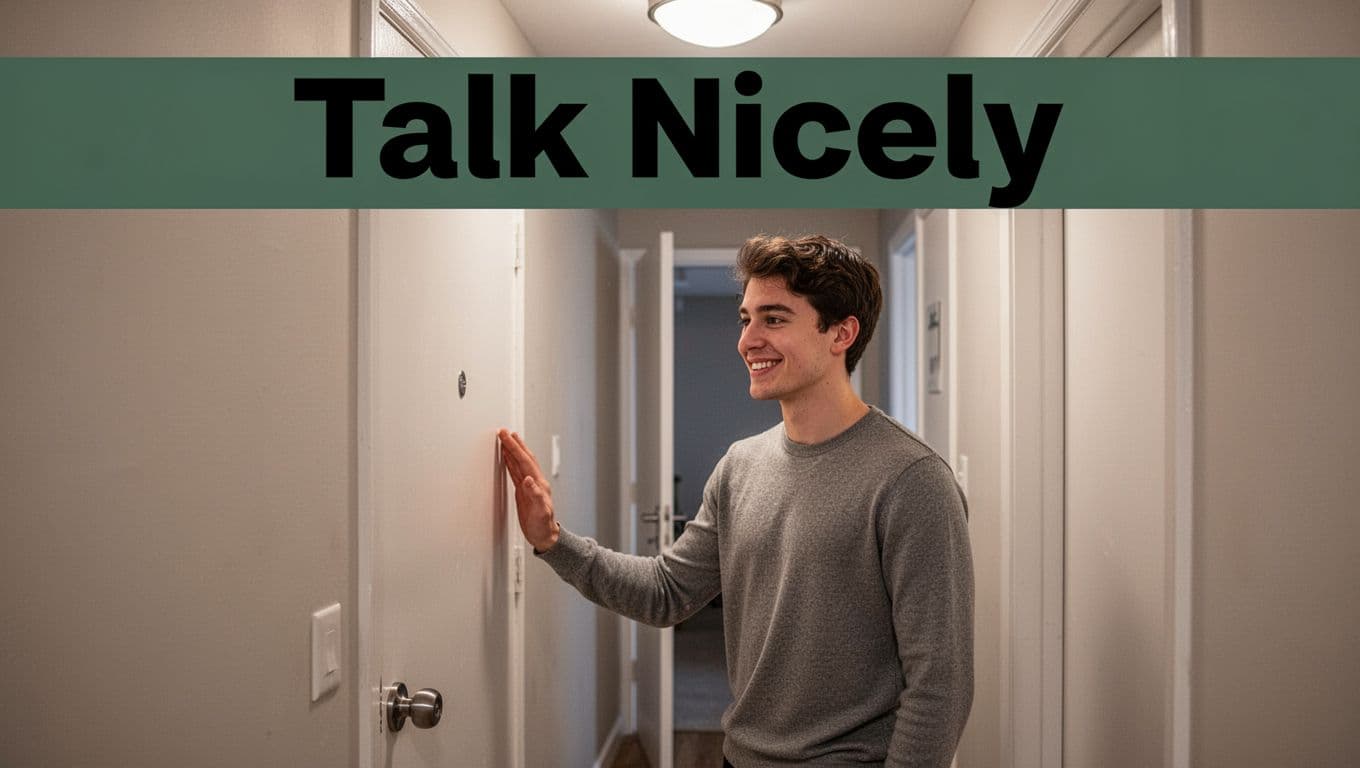
How to Talk to Your Noisy Neighbors Nicely
Approach during the day when tempers stay cool. Keep it short. Try this script: “Hi, I’m from next door. I hear the music through the walls after 10 p.m. Could you turn it down then? I appreciate it.” Smile and nod.
Don’t accuse or argue. If they snap back, say okay and leave. Then log the talk. Most people respond well because they didn’t realize the impact. However, if noise continues, you have proof you tried nicely first.
Build Your Proof Diary Step by Step
Log each incident with facts. Write the date, start time, end time, noise type, and how it hit you. “March 15, 1:45 a.m., loud bass for 45 minutes, couldn’t sleep.” Add decibels if you measure them.
Record audio or video safely from inside your unit. Never invade privacy. Apps timestamp everything. Keep it in one notebook or phone folder. This diary scares landlords into quick fixes because it shows a pattern.

Loop in Your Landlord the Professional Way
After two or three talks fail, email your landlord. Use certified mail if no quick reply comes. Attach your diary. Reference lease quiet hours and your right to quiet enjoyment. Demand they warn the neighbors.
Landlords must enforce rules. They can issue warnings or start eviction for repeats. Give them 7 to 10 days. Follow up if silent. Written contact builds your case strong.
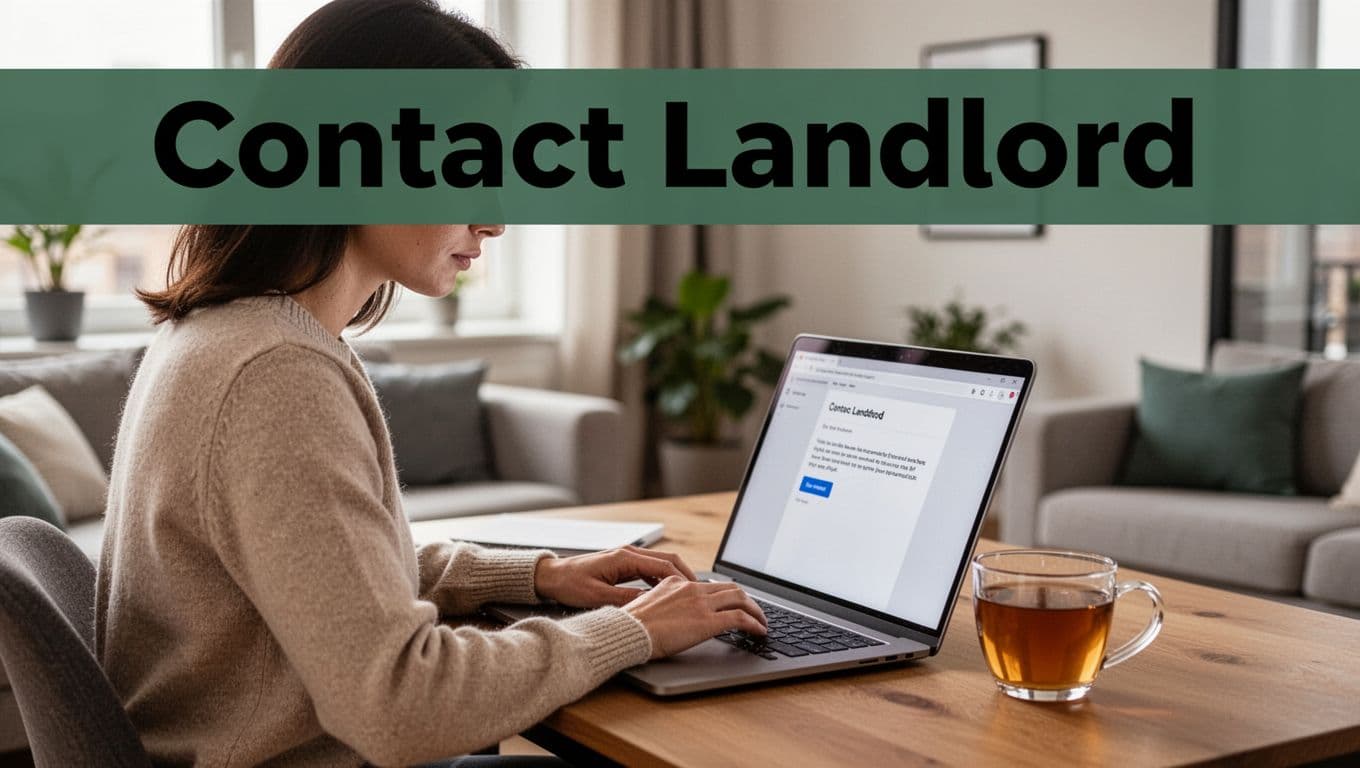
Craft a Strong Written Complaint
Stick to facts, skip emotions. Start with your unit and lease date. List incidents from your diary. Quote lease sections on noise. End with a clear ask: “Please speak to unit 3B and enforce quiet hours.”
Here’s a quick outline:
- Subject: Noise Complaint from Unit 2A
- Greeting and intro
- Diary summary
- Lease references
- Action request
- Your contact info
Templates help polish it. Check noise complaint letter examples for apartments.
Escalate Safely When Noise Won’t Stop
Police handle extreme cases like non-stop parties or danger. Call during quiet hours if noise violates local laws. Landlord inaction opens other paths. You might join eviction efforts or seek mediation. Moving works if all fails, but try fixes first.
Keep every email, log, and response. These docs prove your side. Stay calm because smart steps win.
When Police Are Your Best Next Move
Call if noise feels unsafe, like fights or illegal levels past quiet hours. Officers enforce city ordinances. They warn or ticket repeaters. However, save this for after landlord tries because police focus on crimes first.
Expect a report number for your records. Noise alone rarely leads to arrests. Still, it adds weight to your complaint.
Learn more in this guide on calling police for neighbor noise.
Last Resorts If Landlord Drops the Ball
Contact local tenant groups for free help. Mediators resolve fights without court. Small claims suits for damages happen rarely because proof must show big harm. Breaking your lease risks fees, so consult aid first.
Search city eviction aid if needed. Often, a new place beats endless battles. Document helps you leave clean.
Most noisy neighbor issues in rentals end with talk, logs, and landlord notes. Your quiet enjoyment right gives real power. Act now for better sleep.
Start your proof diary today. Share your story in the comments. Others might have tips that fit your building. Patience plus proof brings peace back home.